


Bogota, Colombia CNN —
A brand new meme has been extensively shared on social media accounts this week as Colombia’s capital Bogota faces a water disaster.
It’s a picture of supervillain C. Montgomery Burns from the animated collection “The Simpsons” exhibiting up at your door with a bouquet of crimson roses and a heart-shaped field of candies. he says with a smile: “I noticed that your water distribution order was completely different from mine.”
The rationing went into impact Thursday morning. Bogota and dozens of surrounding cities will probably be divided into 9 completely different zones, with every zone having its water provide reduce off 24 hours a day and reset each 10 days. The measure will have an effect on roughly 9 million individuals.
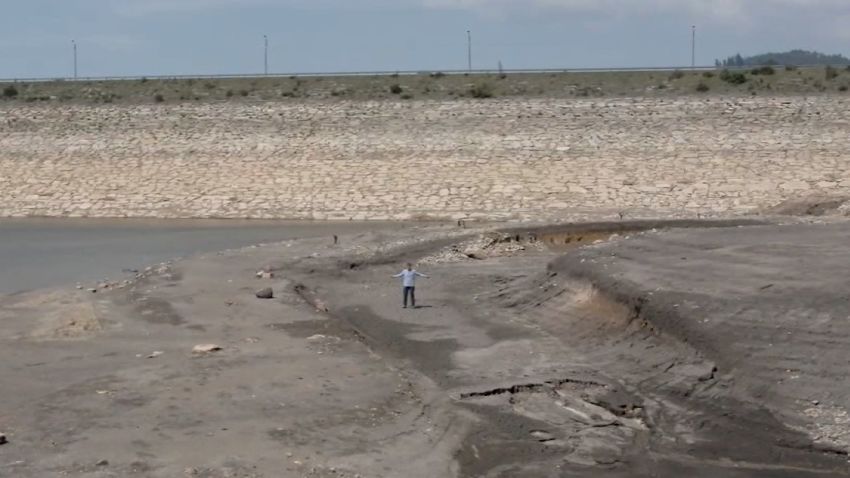
Millions of persons are affected by the nation’s water disaster
But some residents surprise if they will have to start out befriending associates throughout city to get consuming water, as a meme from “The Simpsons” suggests .
The measures are a part of an emergency plan put in place by the Colombian authorities and town’s mayor after water ranges within the reservoir reached “traditionally low” ranges.
“Let’s not waste a single drop of water in Bogotá at this second,” Mayor Carlos Fernando Galán mentioned at a press convention on Monday, including: “That will assist us elevate or scale back these restrictions extra rapidly. Probably,” he added.
Galan referred to as for “behavioral adjustments which can be sustainable in the long run and guarantee water sufficiency for all,” with some reservoirs holding lower than 20% of the historic common for this era. It added.
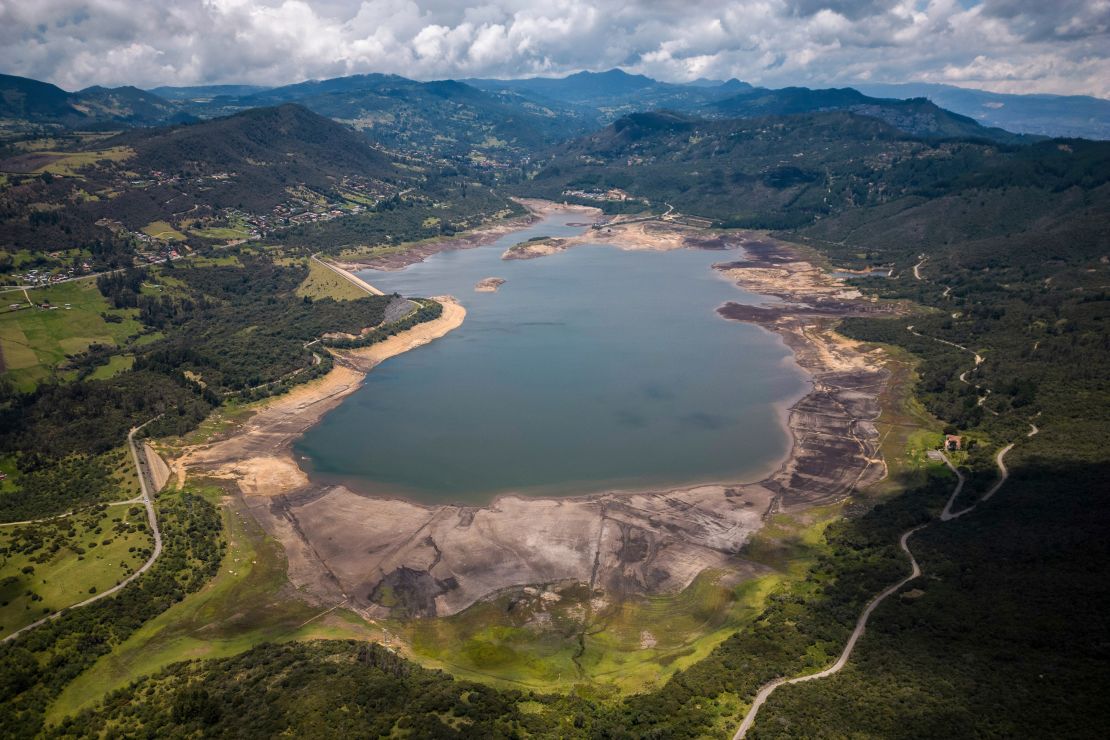
It isn’t unusual for cities in Latin America to face water crises. Bogota borders Mexico City to the northwest, however local weather change, El Niño, geography, and speedy city improvement have mixed to place monumental pressure on water sources, placing Mexico City on the point of water shortage. there’s a chance.
However, that is the primary time in latest historical past that Bogotá has been compelled to implement water rationing measures.
Located on a mountain plateau, Bogota is among the world’s highest capitals, at greater than 2,600 meters (8,500 toes) above sea degree. To the east are the peaks of the Andes Mountains, and to the west are the plush valleys winding by the Magdalena, Colombia’s largest river and necessary water supply.
Moisture from the rainforest alongside the Magdalena River rises up the mountain valleys and collides with the chilly temperatures on the prime, producing rain.
As everybody in Bogotano is aware of, it rains so much within the metropolis, and town depends closely on it for its water wants.
“Most cities world wide depend on aquifers for his or her water provide. Bogota is completely different in that the majority of its provide comes from floor water, reminiscent of reservoirs, that are prone to rain patterns. ” mentioned Armando Sarmiento, a professor of ecology at Bogotá’s Javeriana University.
Sarmiento informed CNN that it’s this dependence on rain that makes Bogotá particularly susceptible to drought.
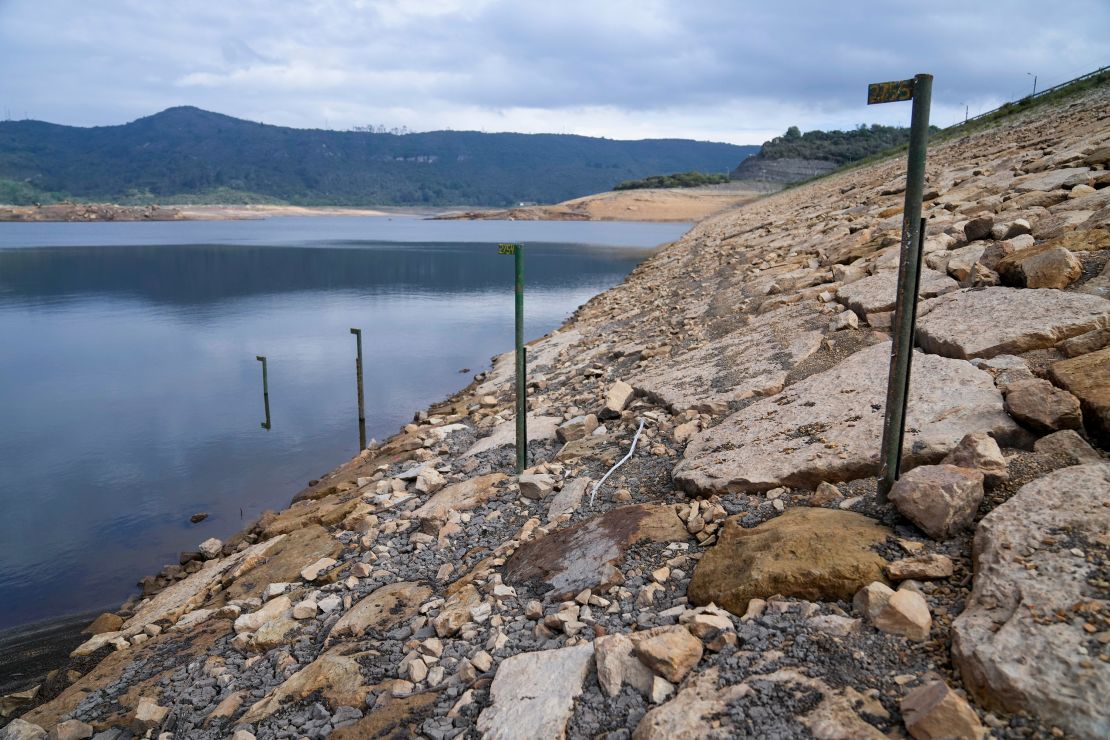
El Niño is a pure local weather sample that happens within the Pacific Ocean alongside the equator and influences climate world wide. In Colombia, this has resulted in elevated temperatures and decreased precipitation.
In a politically divided nation like Colombia, there may be hardly ever settlement on the urgency of coping with El Niño. In January, the federal government issued a Natural Disaster Decree to mobilize sources to fight devastating impacts reminiscent of wildfires and water stress.
Bogota’s water rationing plan has been supported by the nation’s president, who has traditionally had a rocky relationship with the mayor.
Stress on city water programs will solely improve as warmth waves, droughts and different excessive climate occasions change into extra widespread and extreme as a result of international warming, consultants warn.
“We’re on the level the place if we do not respect the pure provide cycle of the reservoir, the pure cycle of water, we will not anticipate the water to go down prefer it used to,” she informed reporters on Monday. She referred to as for the creation of a particular fee to restrict city growth into Bogotá’s pure areas.
Ecologist Sarmiento informed CNN that whereas it is troublesome to foretell how the local weather will change over the following few years, cities and international locations want to arrange for future crises on a broader scale. he mentioned.
“In moments like this, everybody focuses on private use, reminiscent of limiting bathe use,” he mentioned. But he added that the issue is far greater, particularly in Bogotá, which can also be certainly one of Colombia’s busiest industrial areas.
“We have to rethink our water use as a society.”
CNN’s Heather Roe and Anna Melgar contributed reporting.