


Introduction
According to the World Health Organization (WHO), BIBP-CorV is a β-propiolactone-inactivated vaccine, which could be saved at 2–8°C and administered on a 0/21–28-day schedule, with 79.34% effectiveness. To improve immunogenicity, the vaccine comprises aluminum hydroxide as an adjuvant (9, 10). As of December 31, 2020, it’s accredited by the National Medical Products Administration of China and about 45 nations/jurisdictions for adults 18 years and older (11). It was confirmed to be a protected vaccine and could be administered in particular populations, like sufferers with a number of sclerosis (MS), based mostly on prior inactivated vaccine security in MS sufferers and Sinopharm’s lack of extreme opposed results within the main trial part (7). However, a number of opposed results have been reported, together with ache across the injection website, fatigue, fever, complications, and lethargy (10).
On August 11, 2020, the Russian Ministry of Health launched Gam-Covid-Vak, developed by the Gamalia Institute of Epidemiology and Microbiology. According to the preliminary evaluation of the human part 3 trials revealed on February 2, 2021, the vaccine labored with 91.6% effectiveness. It is an adenovirus provider vaccine. Most adenovirus vaccines have demonstrated a constructive immune response (mobile and humoral immunity) after the primary shot. As a results of the second dose of vaccine injection, stronger immunity, and an extended length have been noticed (10, 12, 13). For the primary and second vaccinations of the vaccine, Russian scientists devised a singular thought to extend its effectiveness through the use of two various kinds of adenovirus vectors (rAd26 and rAd5), which had been profitable in each phases of scientific trials. Despite the vaccine being saved and distributed at −18°C, an optimum temperature profile for international distribution is achieved between 2 and eight°C (10). In Iran, the primary part of the COVID-19 vaccination program for healthcare employees was launched on February 9, 2021, with the Sputnik V COVID-19 vaccine (6).
The ChAdOx1-S vaccine, a virus-vector vaccine, can show an efficacy of about 66.7% over the 14-day course after the second injection (14). There are a number of uncomfortable side effects after the injection, together with nausea, malaise, headache, and injection-site response and ache. Nonetheless, all these on a regular basis opposed occasions often resolve after a number of days. Few research have reported extreme vaccine-related opposed occasions like capillary leak syndrome, cutaneous vasculitis, systemic sclerosis, and Vaccine-Induced Immune Thrombotic Thrombocytopenia (VITT) following injection (15–17).
Covaxin, manufactured by Bharat Biotech (India), is a Vero cell-based whole-virion inactivated SARS-CoV-2. The vaccine has been formulated with imidazoquinoline gallamide (IMDG), an agonist for toll-like receptor 7/8 (18). It confirmed 77.8% effectiveness in symptomatic circumstances, leading to 65.2% safety in opposition to the Delta variant (19). Nausea/vomiting, fever, fatigue, headache, and injection-site ache had been probably the most frequent opposed occasions (18).
Studies have proven numerous native or systemic uncomfortable side effects induced by COVID-19 vaccines (20), for example, induration, tenderness, erythema, and, occasionally, near-injection-site abscess. On the opposite hand, cough, headache, fever, and chills represent systemic reactions. Moreover, anaphylaxis has been reported as an unusual response (21). Some uncomfortable side effects have by no means been registered with earlier vaccines, like VITT, a hyper-thrombotic situation (22). Further, the rising variety of reviews worldwide about acute myocarditis induced by the mRNA COVID-19 vaccine raised vital considerations (23).
It needs to be said that the opposed occasions are gentle and self-limiting most often (24). However, COVID-19 vaccines are underneath emergency use approval, and a few opposed reactions could stay obscure. Anaphylaxis can happen after vaccination and has a reporting price of about 1 case in 1 million, nevertheless it will get a lot consideration as a result of its severity and significance (24). Also, vaccines handed totally different rules for approval, and kinds administrated in developed nations are extra intently investigated within the literature than in creating nations. Therefore, surveillance packages are wanted higher to guage the opposed occasions of the COVID-19 vaccines, particularly in creating nations.
In addition to the truth that COVID-19 vaccines don’t present full safety, people are additionally vulnerable to post-vaccination breakthrough an infection because of the improvement of mutations and totally different variants of SARS-CoV-2.
Previous research reached treasured findings about COVID-19 prevalence and COVID-19 vaccines in various populations. A scientific assessment by Zheng et al. demonstrated that, in comparison with healthcare employees (HCWs) and the overall inhabitants, the older adults have the bottom price of vaccination effectiveness, 83.8%. Meanwhile, the overall inhabitants and HCWs confirmed 86.1 and 95.3% effectiveness, respectively (25). Moreover, one other research revealed that HCWs endure a better prevalence of SARS-CoV-2 an infection in comparison with the overall inhabitants (26, 27). Medical and paramedical college students appear to be lacking from this puzzle. Especially when there’s a vital vaccine hesitancy amongst this group (roughly 25%) (28), and they’re on the age that social media considerably influences them (29).
Still, there’s a paucity of proof relating to the protection and efficacy of vaccines in giant populations. Since no nationwide research concentrate on vaccine-related opposed reactions and breakthrough circumstances, this research aimed to analyze the speed of opposed occasions and COVID-19 an infection in medical college students in Iran.
Materials and strategies
Ethics assertion
The Institutional Review Board of Shahid Beheshti University of Medical Sciences accredited this research protocol (reference code: IR.SBMU.RETECH.REC.1400.947). Informed consent was obtained by way of cellphone calls, and confidentiality of knowledge was a priority throughout the research. All interventions had been carried out following the Declaration of Helsinki.
Study design
In this retrospective cohort research performed from August 2021 to February 2022, medical college students who obtained two doses of COVID-19 vaccines had been enrolled from 5 provinces (Tehran: 2899, Shiraz: 333, Kerman: 121, Yazd: 74, Hamedan: 31, Other: 133). Subjects’ data, together with their demographic information, comorbidities, historical past of COVID-19 an infection (earlier than, after, and through (the primary to 14 days after receiving the second dose) immunization interval), blood group, physique mass index (BMI), historical past of influenza vaccination, and opposed occasions following immunization was gathered by a medical crew through a follow-up name from August 28 to September 22, 2021 (the delta variant was the dominant pressure of the virus at the moment). Participants with two unanswered cellphone calls with a minimal of 24-h intervals between calls and topics receiving two vaccine varieties had been excluded. The research’s consequence was a breakthrough an infection price amongst medical college students after full immunization and opposed reactions to COVID-19 vaccines.
Definitions and grades
Statistical evaluation
Results
A complete of three,591 medical college students with a imply age of 23.31 ± 4.87 years, 57.02% of whom had been feminine, had been investigated. Mean BMI was 22.9 + 3.71 kg/m2, and O, A, B, and AB blood teams had been evident in 35.85, 31.7, 22.48, and 10% of scholars, respectively. Of 180 reported comorbidities, bronchial asthma (31) and thyroid gland problems (26) had been among the many most frequent underlying ailments. All the affected person’s demographic data and their historical past of COVID-19 an infection are given in Table 1.
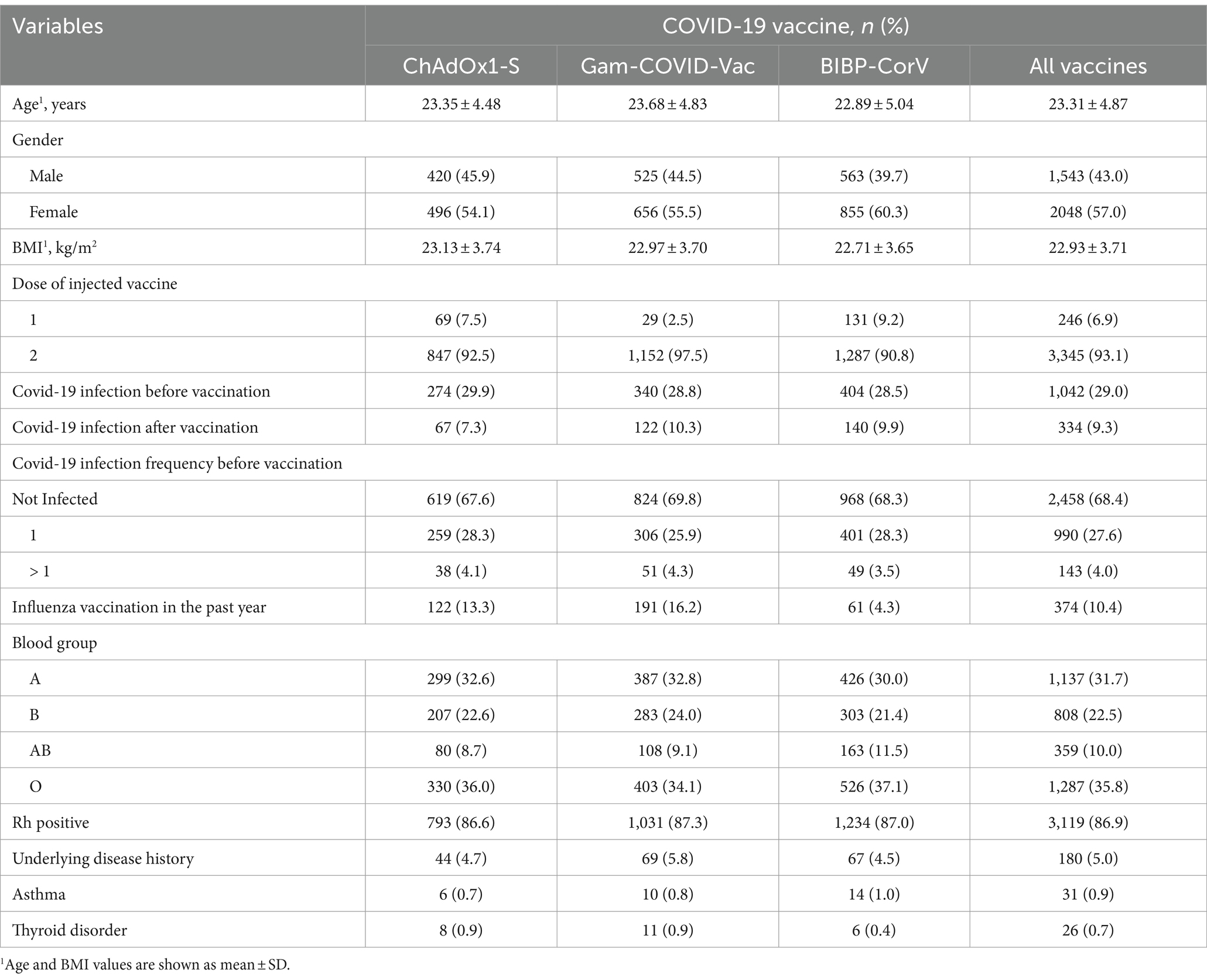
Table 1. Baseline traits of sufferers amongst totally different teams of vaccines.
As depicted in Figure 1, a PCR-confirmed breakthrough an infection price of 4.51% was detected. In addition, the suspicious-for-COVID-19 breakthrough an infection price was 7.02%. In college students injected with multiple dose of the COVID-19 vaccine, the breakthrough an infection price was decrease than these contaminated with COVID-19 as soon as earlier than (1.55%, 2/129 vs. 2.32%, 23/990).
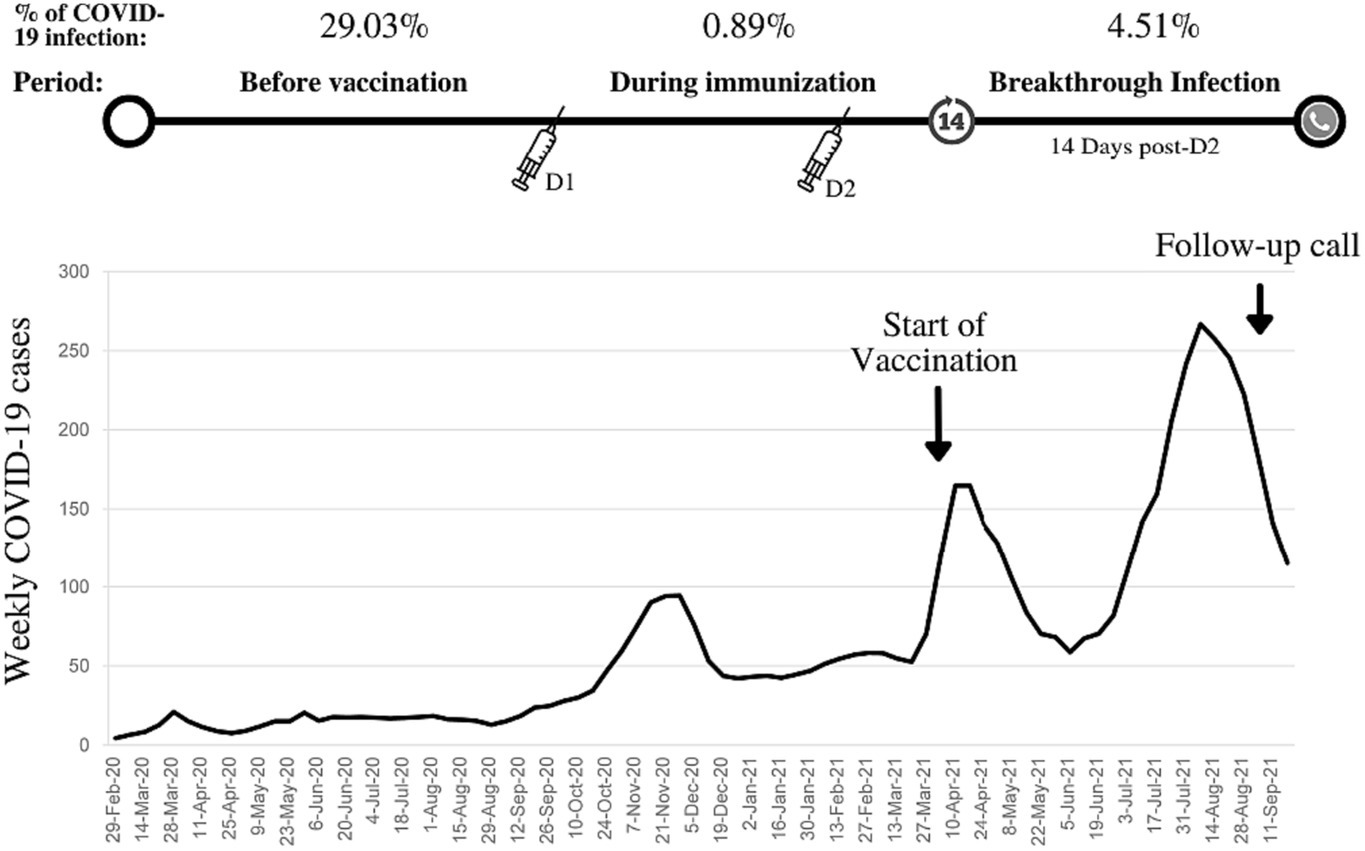
Figure 1. Weekly COVID-19 circumstances in Iran, the beginning of COVID-19 vaccination program in medical college students, historical past of COVID-19 an infection, and breakthrough an infection price (confirmed by polymerase chain response).
Table 2 describes the connection between breakthrough an infection and underlying elements and various kinds of COVID-19 vaccines. There was no vital relation between breakthrough an infection and gender, BMI, blood teams, and comorbidities. However, there was a big distinction in breakthrough an infection price amongst various kinds of vaccines (p = 0.001), historical past of COVID-19 an infection (p = 0.001), and historical past of influenza vaccination (p = 0.001). The severity of COVID-19 after vaccination is offered in Table 3, stratified by kind of vaccine. The breakthrough price was larger for ChAdOx1-S (6.22%) than for Gam-COVID-Vac (3.13%) and BIBP-CorV (4.23%) vaccines. A complete of 16 individuals had been hospitalized for post-vaccination COVID-19 an infection for causes akin to shortness of breath, irregular imaging, or decreased oxygen saturation (as much as 94%), in addition to extreme issues. All of them had been PCR-positive.
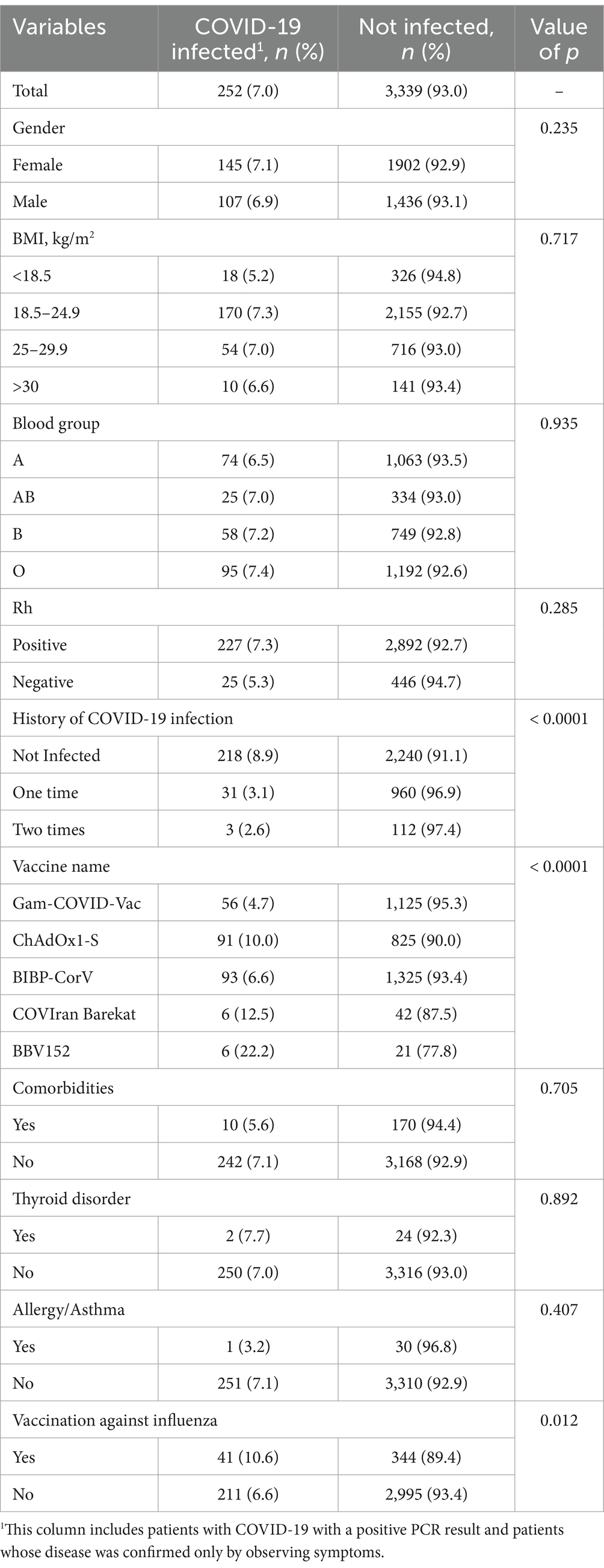
Table 2. COVID-19 vaccine breakthrough in medical college students.
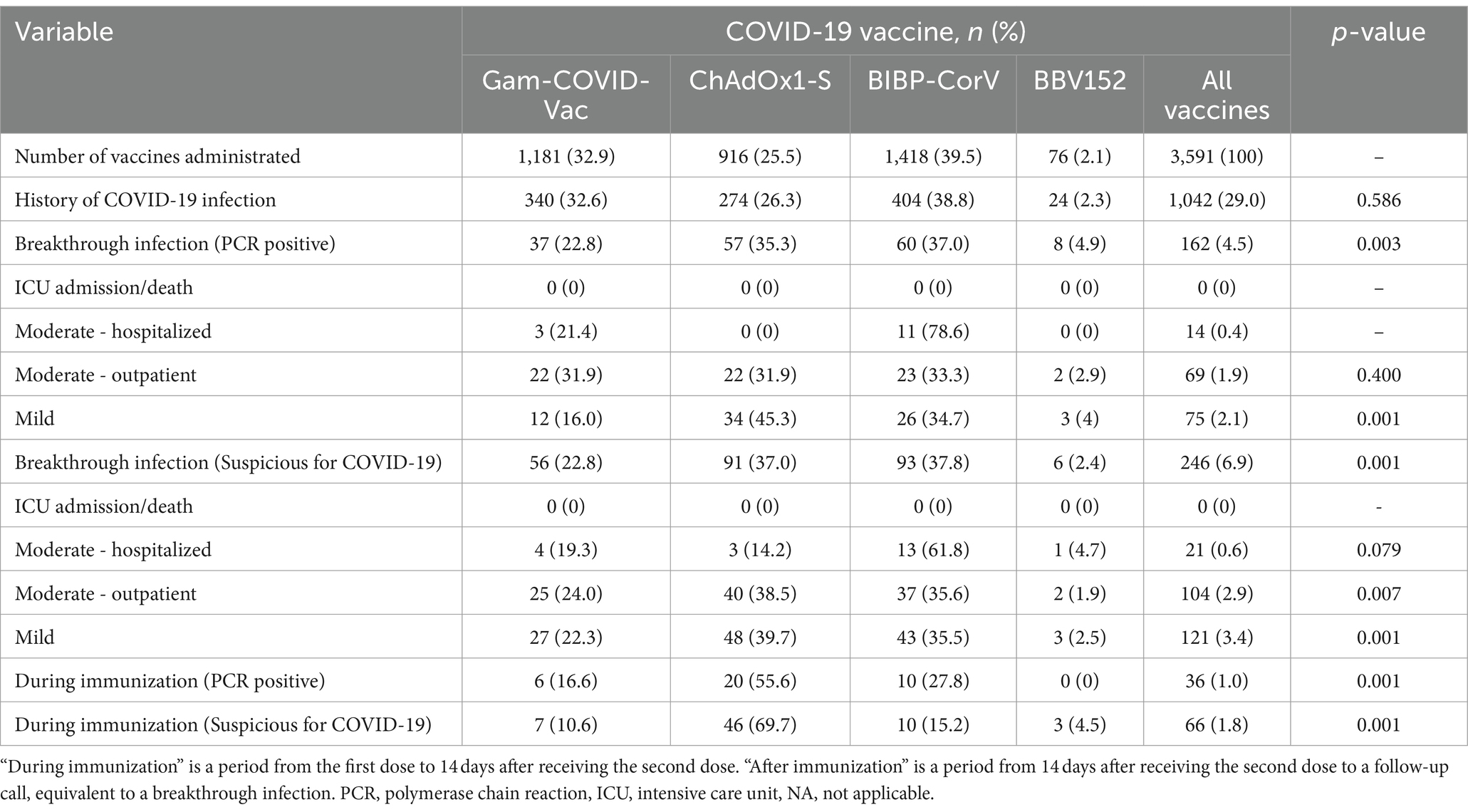
Table 3. The breakthrough an infection amongst totally different COVID-19 vaccines.
Moreover, no comorbidities had been noticed in these individuals. The age vary of this group was between 30 and 47 years and included 9 females (56%). No extreme an infection was evident within the studied inhabitants.
Figure 2 reveals the variety of opposed reactions that occurred after every dose of the vaccine within the studied topics. Also, the quantity of people that skilled opposed reactions inside per week of the primary or second dose of the vaccine is offered in Table 4. Fever (45.9%), Local website ache and swelling (16.8%), myalgia (16.4%), and weak spot (10.1%) are, respectively, the most typical opposed reactions noticed inside 1 week after receiving the vaccine. Complications akin to myocarditis (0.03%), paresthesia (0.14%), hair loss (0.14%), and heartthrob (0.5%) had been additionally noticed with smaller quantities within the research topics. Severe issues occurred in 9 individuals (Anaphylaxis: 3, Rash: 1, heartthrob: 2, extreme weak spot, and fever: 4).
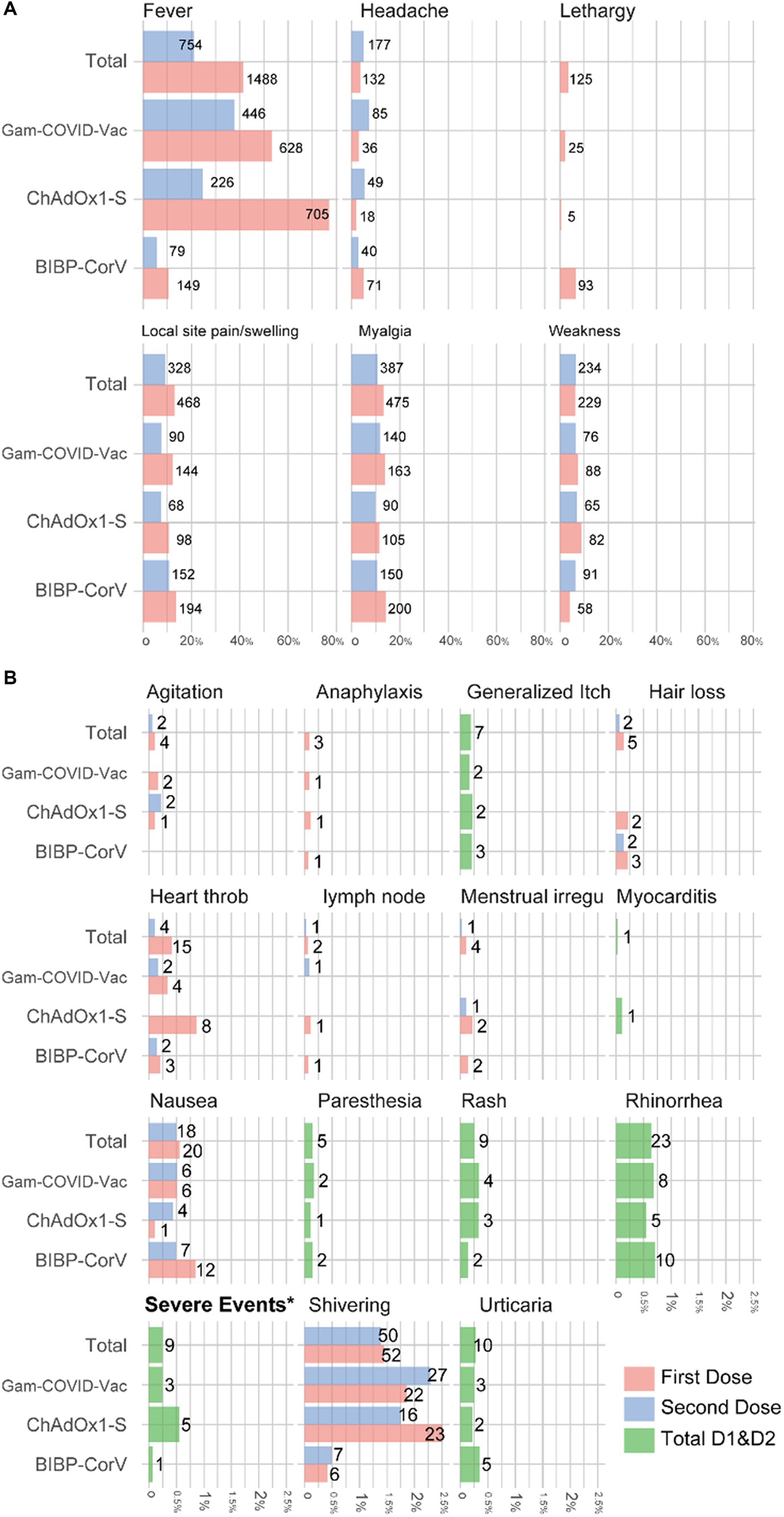
Figure 2. Percentage and variety of opposed occasions amongst medical college students who obtained two doses of COVID-19 vaccine, stratified by kind of vaccine (A) extra frequent opposed reactions; (B) uncommon opposed reactions.
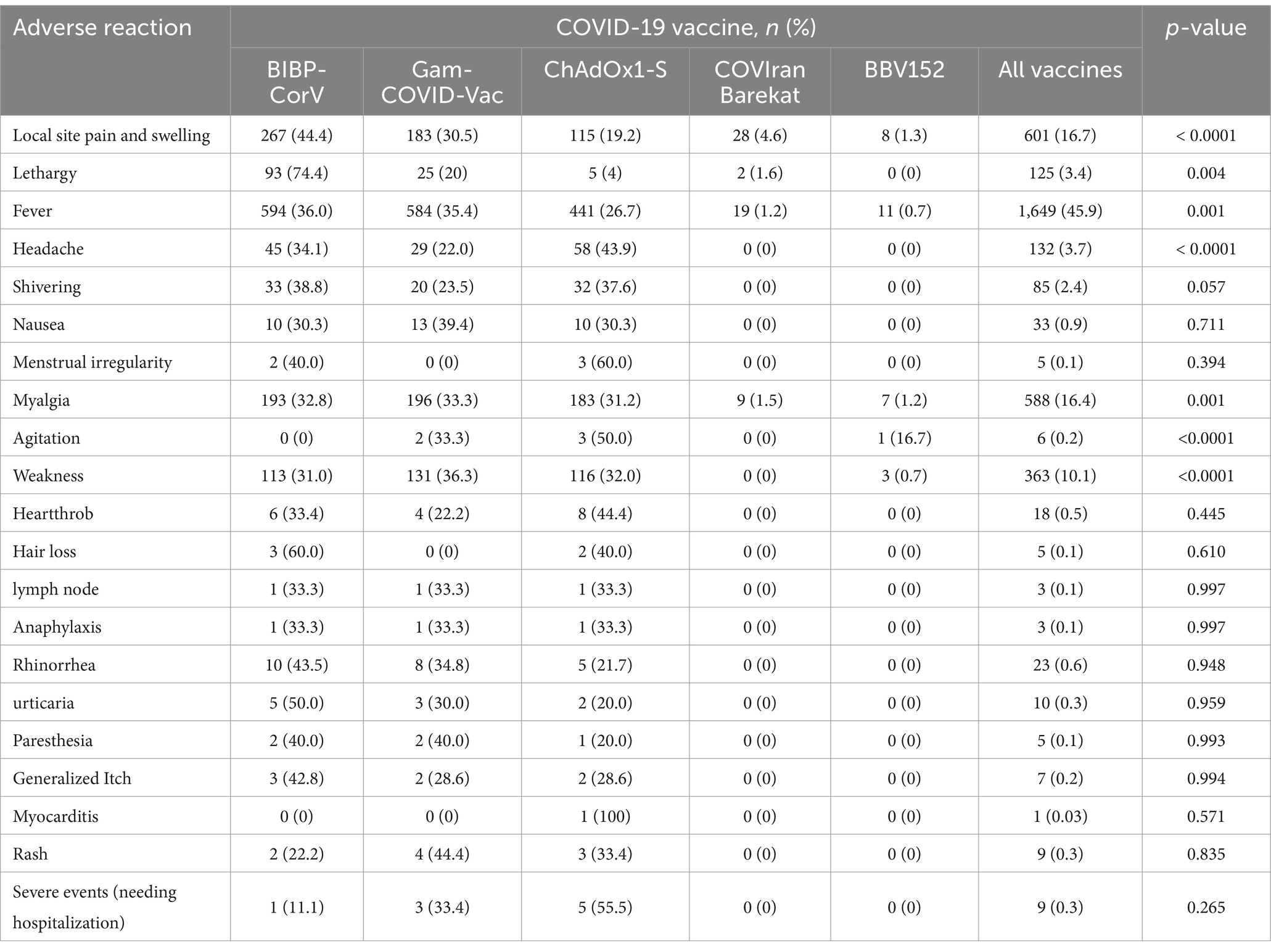
Table 4. Medical college students experiencing an opposed response inside 1 week of COVID-19 vaccination.
Discussion
Newly emerged COVID-19 variants are of nice concern since they are often extremely transmissible, extreme, or deadly. The mutations may also assist evade detection or cut back the effectiveness of therapies or vaccines (1). Vaccination throughout the COVID-19 pandemic is the one identified efficient means to forestall COVID-19 unfold and prospect mutations; nevertheless, any totally vaccinated topic could expertise COVID-19 an infection. Thus, understanding the issues and effectiveness of the obtainable vaccines will help us in creating higher insurance policies. As far as we all know, no research has investigated the breakthrough an infection of COVID-19 amongst medical and paramedical college students, so this research was performed on healthcare college students extra uncovered to COVID-19 an infection. The research was carried out throughout probably the most violent peak of COVID-19 in Summer in Iran, with 30,519 reported fatalities and 71,297 extra deaths (31), whereas solely 16.2% of the overall inhabitants had been totally vaccinated by the tip of summer season (32).
Among the three,591 medical and paramedical college students, our research reported a PCR-confirmed vaccine breakthrough of 5.13%, considerably larger than most earlier research. For instance, within the final survey performed by Bergwerk on vaccinated well being employees, 2.6% of the individuals within the research had a breakthrough COVID-19 an infection (33). Also, in a scientific survey performed on 651,595 individuals vaccinated with two doses, breakthrough an infection was noticed in 3.95% of the studied individuals (34). The excessive publicity threat of individuals, low vaccine protection, administrated kinds of vaccines, dominance of delta variants, or coincidence with the pandemic wave could clarify this excessive vaccine breakthrough an infection price to some extent.
This research was carried out on the earliest totally vaccinated inhabitants and coincided with the emergence of the Delta variant and probably the most devastating COVID-19 waves in Iran. The estimated initiation time of the follow-up interval was mid-April when solely 0.12% of the nationwide inhabitants was totally vaccinated (35). At that point, nations with principally unvaccinated populations (akin to Iran and India) skilled a brutal coronavirus wave. As in a single-center research in India, 13.3% of healthcare employees skilled breakthrough infections throughout a large COVID-19 wave with the Alpha and Delta dominancy interval (2). At the time of Delta variant dominancy within the USA, when 50.2% of the inhabitants was immunized, the weekly incidence price of breakthrough infections rose from 6.94 to 130.23 per 100,000 totally vaccinated (36). Therefore, the impact of the Delta variant on delineating vaccine effectiveness is indeniable (4, 24). Although not sufficient information is offered relating to the share of variants in Iran, the immune escape by Delta variant could play a job within the excessive breakthrough an infection price in nations with low vaccination charges.
In the newest official obtainable information, the efficacy of Gam-COVID-Vac, ChAdOx1-S, and BIBP-CorV had been reported to be 91.6, 72, and 79%, respectively (10, 37, 38). Our research noticed the bottom breakthrough an infection price in individuals vaccinated with Gam-COVID-Vac. Vaccines have been confirmed to forestall contracting extreme COVID-19 successfully. Despite administering the BIBP-CorV vaccine to much less uncovered healthcare college students, ChAdOx1-S and Gam-COVID-Vac considerably prevented extreme COVID-19. In addition, COVID-19 an infection after the primary dose was considerably extra prevalent amongst individuals vaccinated with ChAdOx1-S than amongst those that obtained different vaccines. This could be justified by the lengthy interval between its first and second dose (8 to 12 weeks for ChAdOx1-S relative to 4 weeks for different vaccines). The greatest vaccine in pandemic waves must be selected the idea of the efficacy and shortest time to achieve most effectiveness.
Recent research steered a historical past of COVID-19 an infection and healthcare jobs as elements for breakthrough infections. A scientific assessment talked about that the majority COVID-19 re-infections happen in healthcare employees due to their extended publicity (34). Vaccine breakthrough was much less frequent in our individuals experiencing COVID-19 an infection earlier than vaccination, which aligns with earlier research (39). In our research, about 29% of the individuals had a historical past of COVID-19 an infection, but the breakthrough an infection charges had been excessive. A survey of 126,586 vaccine recipients reported that working in healthcare facilities is related to a better threat of breakthrough an infection (40). Although publicity is crucial, our research’s price of 5.13% breakthrough circumstances could be very excessive in comparison with earlier research on healthcare employees (33, 40).
Since no research has assessed the uncomfortable side effects of various kinds of vaccines in Iran, we additionally studied this concern. The mostly reported uncomfortable side effects had been fever, lethargy/fatigue, weak spot, myalgia, and ache on the injection website. Inconsistent with earlier research, vaccines with out adjuvant (Gam-COVID-Vac and ChAdOx1-S) had been accompanied by a better incidence of systemic opposed occasions, whereas vaccines with excipients consisting of Aluminum compounds (COVIran Barekat, BBV152, and BIBP-CorV) precipitated native reactions (41). In our research, fever was probably the most reported opposed occasion of the COVID-19 vaccine and most possible within the first dose administration. Severe post-vaccination opposed occasions, together with anaphylaxis, rash, heartthrob, extreme weak spot, and fever, had been current in 0.25% (n = 9) of our inhabitants, by which ChAdOx1-S and Gam-COVID-Vac had been extra more likely to develop such occasions. Severe weak spot and fever had the very best variety of extreme uncomfortable side effects among the many severe uncomfortable side effects investigated in our research. Also, the ChAdOx1-S vaccine precipitated the very best variety of extreme uncomfortable side effects among the many examined vaccines. According to the survey performed by Huh et al., the incidence of anaphylaxis related to vaccination will increase with time, and in accordance with one other research performed in July 2021, just one case of acute allergic response with shortness of breath and hypotension following vaccination was reported (42). In our research, 3 individuals who obtained the vaccine had anaphylactic shock. A earlier report on 1954 healthcare employees confirmed a 0.4% (n = 9) extreme post-vaccination opposed incident resulting in hospital attendance; BIBP-CorV (n = 1), Gam-COVID-Vac V (n = 3), and ChAdOx1-S (n = 5) (43). For this purpose, it’s vital to continually monitor uncomfortable side effects to create acceptable insurance policies and inform the general public. However, in accordance with the outcomes of our research and different research which have investigated the uncomfortable side effects of vaccines and reported gentle to average leads to the uncomfortable side effects, the incidence of such uncomfortable side effects throughout immunization could be thought of acceptable (44–46).
Conclusion
Vaccination prevented extreme COVID-19 an infection, though a excessive breakthrough an infection price was evident amongst Iranian medical college students throughout the Delta variant’s peak. These information present that the effectiveness of various vaccines could also be totally different and even fragile throughout rising new variants and in high-exposure settings. In this fashion, to totally management COVID-19 an infection, along with the continuation of straightforward preventive actions akin to sporting a face masks and social distancing, a steady evaluation of the immunization of vaccines in the long run and in opposition to new species must be carried out. In addition, we noticed that opposed occasions are uncommon, and the advantages of vaccination outweigh the uncomfortable side effects. However, fixed monitoring of uncomfortable side effects after immunization is essential. However, many limitations challenged this research, and the outcomes must be cautious.
Data availability assertion
Ethics assertion
The research involving people had been accredited by the Institutional Review Board of Shahid Beheshti University of Medical Sciences. The research had been performed in accordance with the native laws and institutional necessities. The individuals offered their written knowledgeable consent to take part on this research.
Author contributions
AAl: Methodology, Project administration, Writing – authentic draft. SS-N: Data curation, Formal evaluation, Writing – authentic draft. ZS: Data curation, Writing – authentic draft. AE: Data curation, Writing – authentic draft. HN: Data curation, Visualization, Writing – authentic draft. MH: Writing – authentic draft, Writing – assessment & enhancing. MMo: Investigation, Writing – authentic draft. PK: Data curation, Investigation, Writing – authentic draft. MI: Data curation, Investigation, Writing – authentic draft. HA: Data curation, Investigation, Writing – authentic draft. AAm: Data curation, Investigation, Writing – authentic draft. HM: Data curation, Investigation, Writing – authentic draft. AC: Data curation, Investigation, Writing – authentic draft. AM: Data curation, Investigation, Writing – authentic draft. MS: Data curation, Investigation, Writing – authentic draft. AN: Data curation, Investigation, Writing – authentic draft. MMa: Data curation, Investigation, Writing – authentic draft. AS: Data curation, Investigation, Writing – authentic draft. SS: Data curation, Investigation, Writing – authentic draft. SK: Data curation, Investigation, Writing – authentic draft. PM: Data curation, Investigation, Writing – authentic draft. MaM: Data curation, Investigation, Writing – authentic draft. SA: Data curation, Investigation, Writing – authentic draft. NA: Data curation, Investigation, Writing – authentic draft. SD: Data curation, Investigation, Writing – authentic draft. AT: Data curation, Writing – assessment & enhancing. MB: Methodology, Validation, Writing – assessment & enhancing. ME: Methodology, Supervision, Writing – assessment & enhancing.
Funding
Acknowledgments
Conflict of curiosity
Publisher’s observe
References
2. Sharma, P, Mishra, S, Basu, S, Kumar, R, and Tanwar, N. Breakthrough an infection with extreme acute respiratory syndrome coronavirus 2 amongst healthcare Workers in Delhi: a single-institution research. Cureus. (2021) 13:e19070. doi: 10.7759/cureus.19070
PubMed Abstract | Crossref Full Text | Google Scholar
3. Marafini, I, Monteleone, I, Di Fusco, D, Cupi, ML, Paoluzi, OA, Colantoni, A, et al. TNF-alpha producing innate lymphoid cells (ILCs) are elevated in energetic celiac illness and contribute to advertise intestinal atrophy in mice. PLoS One. (2015) 10:e0126291. doi: 10.1371/journal.pone.0126291
PubMed Abstract | Crossref Full Text | Google Scholar
4. Pouwels, KB, Pritchard, E, Matthews, PC, Stoesser, N, Eyre, DW, Vihta, KD, et al. Effect of Delta variant on viral burden and vaccine effectiveness in opposition to new SARS-CoV-2 infections within the UK. Nat Med. (2021) 27:2127–35. doi: 10.1038/s41591-021-01548-7
PubMed Abstract | Crossref Full Text | Google Scholar
5. Babaee, E, Amirkafi, A, Tehrani-Banihashemi, A, Soleimanvandi Azar, N, Eshrati, B, Rampisheh, Z, et al. Adverse results following COVID-19 vaccination in Iran. BMC Infect Dis. (2022) 22:476. doi: 10.1186/s12879-022-07411-5
PubMed Abstract | Crossref Full Text | Google Scholar
6. Babamahmoodi, F, Saeedi, M, Alizadeh-Navaei, R, Hedayatizadeh-Omran, A, Mousavi, SA, Ovaise, G, et al. Side results and immunogenicity following administration of the sputnik V COVID-19 vaccine in well being care employees in Iran. Sci Rep. (2021) 11:21464. doi: 10.1038/s41598-021-00963-7
PubMed Abstract | Crossref Full Text | Google Scholar
7. Sahraian, MA, Ghadiri, F, Azimi, A, and Moghadasi, AN. Adverse occasions reported by Iranian sufferers with a number of sclerosis after the primary dose of Sinopharm BBIBP-CorV. Vaccine. (2021) 39:6347–50. doi: 10.1016/j.vaccine.2021.09.030
PubMed Abstract | Crossref Full Text | Google Scholar
8. Zare, H, Rezapour, H, Mahmoodzadeh, S, and Fereidouni, M. Prevalence of COVID-19 vaccines (sputnik V, AZD-1222, and Covaxin) uncomfortable side effects amongst healthcare employees in Birjand metropolis, Iran. Int Immunopharmacol. (2021) 101:108351. doi: 10.1016/j.intimp.2021.108351
PubMed Abstract | Crossref Full Text | Google Scholar
9. Karimi, M, Zarei, T, Haghpanah, S, Azarkeivan, A, Naderi, M, Matin, S, et al. Efficacy and security of Sinopharm vaccine for SARS-CoV-2 and breakthrough infections in Iranian sufferers with Hemoglobinopathies: a preliminary report. Mediterr J Hematol Infect Dis. (2022) 14:e2022026. doi: 10.4084/MJHID.2022.026
PubMed Abstract | Crossref Full Text | Google Scholar
10. Logunov, DY, Dolzhikova, IV, Shcheblyakov, DV, Tukhvatulin, AI, Zubkova, OV, Dzharullaeva, AS, et al. Safety and efficacy of an rAd26 and rAd5 vector-based heterologous prime-boost COVID-19 vaccine: an interim evaluation of a randomised managed part 3 trial in Russia. Lancet. (2021) 397:671–81. doi: 10.1016/S0140-6736(21)00234-8
PubMed Abstract | Crossref Full Text | Google Scholar
12. Dolzhikova, IV, Zubkova, OV, Tukhvatulin, AI, Dzharullaeva, AS, Tukhvatulina, NM, Shcheblyakov, DV, et al. Safety and immunogenicity of Gam Evac-Combi, a heterologous VSV- and Ad5-vectored Ebola vaccine: an open part I/II trial in wholesome adults in Russia. Hum Vaccin Immunother. (2017) 13:613–20. doi: 10.1080/21645515.2016.1238535
PubMed Abstract | Crossref Full Text | Google Scholar
14. Voysey, M, Costa Clemens, SA, Madhi, SA, Weckx, LY, Folegatti, PM, et al. Single-dose administration and the affect of the timing of the booster dose on immunogenicity and efficacy of ChAdOx1 nCoV-19 (AZD 1222) vaccine: a pooled evaluation of 4 randomised trials. Lancet. (2021) 397:881–91. doi: 10.1016/s0140-6736(21)00432-3
PubMed Abstract | Crossref Full Text | Google Scholar
15. Mohseni Afshar, Z, Tavakoli Pirzaman, A, Liang, JJ, Sharma, A, Pirzadeh, M, Babazadeh, A, et al. Do we miss uncommon opposed occasions induced by COVID-19 vaccination? Front Med. (2022) 9:933914. doi: 10.3389/fmed.2022.933914
PubMed Abstract | Crossref Full Text | Google Scholar
16. Hernández, AF, Calina, D, Poulas, Ok, Docea, AO, and Tsatsakis, AM. Safety of COVID-19 vaccines administered within the EU: ought to we be involved? Toxicol Rep. (2021) 8:871–9. doi: 10.1016/j.toxrep.2021.04.003
PubMed Abstract | Crossref Full Text | Google Scholar
17. See, I, Su, JR, Lale, A, Woo, EJ, Guh, AY, Shimabukuro, TT, et al. US case reviews of cerebral venous sinus thrombosis with thrombocytopenia after Ad26.COV2.S vaccination, march 2 to April 21, 2021. JAMA. (2021) 325:2448–56. doi: 10.1001/jama.2021.7517
PubMed Abstract | Crossref Full Text | Google Scholar
18. Ella, R, Vadrevu, KM, Jogdand, H, Prasad, S, Reddy, S, Sarangi, V, et al. Safety and immunogenicity of an inactivated SARS-CoV-2 vaccine, BBV152: a double-blind, randomised, part 1 trial. Lancet Infect Dis. (2021) 21:637–46. doi: 10.1016/S1473-3099(20)30942-7
PubMed Abstract | Crossref Full Text | Google Scholar
19. Ella, R, Reddy, S, Blackwelder, W, Potdar, V, Yadav, P, Sarangi, V, et al. Group CS. Efficacy, security, and lot-to-lot immunogenicity of an inactivated SARS-CoV-2 vaccine (BBV152): interim outcomes of a randomised, double-blind, managed, part 3 trial. Lancet. (2021) 398:2173–84. doi: 10.1016/S0140-6736(21)02000-6
PubMed Abstract | Crossref Full Text | Google Scholar
20. Li, X, Ostropolets, A, Makadia, R, Shoaibi, A, Rao, G, Sena, AG, et al. Characterising the background incidence charges of opposed occasions of particular curiosity for covid-19 vaccines in eight nations: multinational community cohort research. BMJ. (2021) 373:1435. doi: 10.1136/bmj.n1435
PubMed Abstract | Crossref Full Text | Google Scholar
21. CDC Covid Response Team, Food and Drug Administration. Allergic reactions together with anaphylaxis after receipt of the primary dose of Moderna COVID-19 vaccine – United States, December 21, 2020-January 10, 2021. MMWR Morb Mortal Wkly Rep. (2021) 70:125–9. doi: 10.15585/mmwr.mm7004e1
PubMed Abstract | Crossref Full Text | Google Scholar
22. Mohseni Afshar, Z, Babazadeh, A, Janbakhsh, A, Afsharian, M, Saleki, Ok, Barary, M, et al. Vaccine-induced immune thrombotic thrombocytopenia after vaccination in opposition to Covid-19: a scientific dilemma for clinicians and sufferers. Rev Med Virol. (2022) 32:e2273. doi: 10.1002/rmv.2273
PubMed Abstract | Crossref Full Text | Google Scholar
23. Oster, ME, Shay, DK, Su, JR, Gee, J, Creech, CB, Broder, KR, et al. JAMA. (2022) 327:331–40. doi: 10.1001/jama.2021.24110
PubMed Abstract | Crossref Full Text | Google Scholar
24. Lopez Bernal, J, Andrews, N, Gower, C, Gallagher, E, Simmons, R, Thelwall, S, et al. Effectiveness of Covid-19 vaccines in opposition to the B.1.617.2 (Delta). Variant N Engl J Med. (2021) 385:585–94. doi: 10.1056/NEJMoa2108891
PubMed Abstract | Crossref Full Text | Google Scholar
25. Zheng, C, Shao, W, Chen, X, Zhang, B, Wang, G, and Zhang, W. Real-world effectiveness of COVID-19 vaccines: a literature assessment and meta-analysis. Int J Infect Dis. (2022) 114:252–60. doi: 10.1016/j.ijid.2021.11.009
PubMed Abstract | Crossref Full Text | Google Scholar
26. Gomez-Ochoa, SA, Franco, OH, Rojas, LZ, Raguindin, PF, Roa-Diaz, ZM, Wyssmann, BM, et al. COVID-19 in health-care employees: a dwelling systematic assessment and Meta-analysis of prevalence, threat elements, scientific traits, and outcomes. Am J Epidemiol. (2021) 190:161–75. doi: 10.1093/aje/kwaa191
PubMed Abstract | Crossref Full Text | Google Scholar
27. Wu, Z, and McGoogan, JM. Characteristics of and vital classes from the coronavirus illness 2019 (COVID-19) outbreak in China: abstract of a report of 72 314 circumstances from the Chinese Center for Disease Control and Prevention. JAMA. (2020) 323:1239–42. doi: 10.1001/jama.2020.2648
PubMed Abstract | Crossref Full Text | Google Scholar
29. Raja, SM, Osman, ME, Musa, AO, Hussien, AA, and Yusuf, Ok. COVID-19 vaccine acceptance, hesitancy, and related elements amongst medical college students in Sudan. PLoS One. (2022) 17:e0266670. doi: 10.1371/journal.pone.0266670
PubMed Abstract | Crossref Full Text | Google Scholar
30. Coronavirus Disease 2019 (COVID-19). Treatment Guidelines. Bethesda, Maryland: National Institutes of Health (2021).
Google Scholar
31. Safavi-Naini, SAA, Farsi, Y, Alali, WQ, Solhpour, A, and Pourhoseingholi, MA. Excess all-cause mortality and COVID-19 reported fatality in Iran (April 2013-September 2021): age and intercourse disaggregated time sequence evaluation. BMC Res Notes. (2022) 15:130. doi: 10.1186/s13104-022-06018-y
PubMed Abstract | Crossref Full Text | Google Scholar
32. Mathieu, Edouard, Ritchie, Hannah, Rodés-Guirao, Lucas, Appel, Cameron, Giattino, Charlie, Hasell, Joe, et al. (2020) – “Coronavirus Pandemic (COVID-19)”. Available at: https://ourworldindata.org/coronavirus
Google Scholar
33. Bergwerk, M, Gonen, T, Lustig, Y, Amit, S, Lipsitch, M, Cohen, C, et al. Covid-19 breakthrough infections in vaccinated well being care employees. N Engl J Med. (2021) 385:1474–84. doi: 10.1056/NEJMoa2109072
PubMed Abstract | Crossref Full Text | Google Scholar
34. Gopinath, S, Ishak, A, Dhawan, N, Poudel, S, Shrestha, PS, Singh, P, et al. Characteristics of COVID-19 breakthrough infections amongst vaccinated people and related threat elements: a scientific assessment. Trop Med Infect Dis. (2022) 7:81. doi: 10.3390/tropicalmed7050081
PubMed Abstract | Crossref Full Text | Google Scholar
35. Iran’s Health Ministry, Three-hundred-and-four COVID-19 deaths within the nation/four-hundred -and-sixity-two thousand doses of vaccines have been administered within the counrty; (2022). Available at: https://behdasht.gov.ir/
Google Scholar
39. Abu-Raddad, LJ, Chemaitelly, H, Ayoub, HH, Yassine, HM, Benslimane, FM, Al Khatib, HA, et al. Association of Prior SARS-CoV-2 an infection with threat of breakthrough an infection following mRNA vaccination in Qatar. JAMA. (2021) 326:1930–9. doi: 10.1001/jama.2021.19623
PubMed Abstract | Crossref Full Text | Google Scholar
40. Peter, JK, Wegner, F, Gsponer, S, Helfenstein, F, Roloff, T, Tarnutzer, R, et al. SARS-CoV-2 vaccine alpha and Delta variant breakthrough infections are uncommon and gentle, however occur relative early after vaccination. Microorganisms. (2022) 10:857. doi: 10.3390/microorganisms10050857
Crossref Full Text | Google Scholar
41. Pormohammad, A, Zarei, M, Ghorbani, S, Mohammadi, M, Razizadeh, MH, Turner, DL, et al. Efficacy and security of COVID-19 vaccines: a scientific assessment and Meta-analysis of randomized scientific trials. Vaccines. (2021) 9:467. doi: 10.3390/vaccines9050467
PubMed Abstract | Crossref Full Text | Google Scholar
42. Huh, Ok, Kim, YE, Radnaabaatar, M, Lee, DH, Kim, DW, Shin, SA, et al. Estimating baseline incidence of situations probably related to vaccine opposed occasions: a name for surveillance system utilizing the Korean National Health Insurance Claims Data. J Korean Med Sci. (2021) 36:e67. doi: 10.3346/jkms.2021.36.e67
PubMed Abstract | Crossref Full Text | Google Scholar
43. Jeon, M, Kim, J, Oh, CE, and Lee, J-Y. Adverse occasions following immunization related to the primary and second doses of the ChAdOx1 nCoV-19 vaccine amongst healthcare Workers in Korea. Vaccine. (2021) 9:1096. doi: 10.3390/vaccines9101096
PubMed Abstract | Crossref Full Text | Google Scholar
44. Sah, R, Shrestha, S, Mehta, R, Sah, SK, Rabaan, AA, Dhama, Ok, et al. AZD1222 (Covishield) vaccination for COVID-19: experiences, challenges, and options in Nepal. Travel Med Infect Dis. (2021) 40:101989. doi: 10.1016/j.tmaid.2021.101989
PubMed Abstract | Crossref Full Text | Google Scholar
45. Azimi, M, Dehzad, WM, Atiq, MA, Bahain, B, and Asady, A. Adverse results of the COVID-19 vaccine reported by lecturers and workers of Kabul University of Medical Sciences, Kabul, Afghanistan. Infect Drug Resist. (2021) 14:4077–83. doi: 10.2147/IDR.S332354
PubMed Abstract | Crossref Full Text | Google Scholar
46. Jeon, M, Kim, J, Oh, CE, and Lee, JY. Adverse occasions following immunization related to coronavirus illness 2019 vaccination reported within the Mobile vaccine opposed occasions reporting system. J Korean Med Sci. (2021) 36:e114. doi: 10.3346/jkms.2021.36.e114
PubMed Abstract | Crossref Full Text | Google Scholar