


1. Background
Vitamin D deficiency (VDD) is taken into account a worldwide public well being subject related to many persistent ailments, together with cancers, diabetes, a number of sclerosis, immune system dysfunction, and cardiovascular ailments (1–3). However, there’s a dearth of data on VDD in lots of nations, significantly in low- and middle-income ones. Moreover, there are a lot of methods to measure 25-hydroxy vitamin D (25(OH)D), which makes it difficult to combine the findings (4–6). The outcomes of the second National Integrated Micronutrient Survey (NIMS) in Iran confirmed that the prevalence of VDD was 23.3, 76, 59.1, and 85.3% in infants aged 15–23 months, adolescents, adults, and pregnant girls, respectively (7). Other research have additionally established that the prevalence of VDD is excessive amongst Iranian pregnant girls and kids (8). The financial burden of the ailments attributed to hypovitaminosis D might be markedly lowered in the neighborhood by enhancing vitamin D ranges to the optimum stage (9, 10).
Uday et al. reported that vitamin D supplementation applications are applied for infants in 96% of European nations, although the graduation time, period, and implementation technique range amongst totally different nations (11). The outcomes of an Iranian examine indicated that the nationwide vitamin D supplementation program is a cheap method to handle cardiovascular ailments amongst adults (12). Given that it’s vital throughout infancy and childhood (13), vitamin D supplementation is being applied as a preventive technique in all kids beneath 2 years previous in Iran (14).
Since 2014, a 9-month supplementation program with a mega dose (50,000 IU/month) of vitamin D has been carried out amongst all Iranian highschool college students month-to-month, prioritizing areas with the very best deficiency. Adolescents, adults, and older adults who go to well being clinics are additionally lined by comparable nationwide legal guidelines, which mandate the availability of a vitamin D complement of fifty,000 IU per 30 days. Similarly, pregnant girls are advisable an consumption of 1,000 IU of day by day vitamin D. Along with the supplementation program, vitamin training can be organized for various teams (15).
To make the insurance policies efficient, it’s essential to adapt insurance policies from the agenda-setting stage as step one of the policymaking course of. Despite the numerous incidence of vitamin D insufficiency in many countries all through the globe, restricted complete research have been carried out on VDD preventive insurance policies in low- and middle-income nations. To tackle this hole, we used the Kingdon’s a number of streams framework (MSF) mannequin on this examine to establish the present streams and discover how policymakers positioned hypovitaminosis D prevention insurance policies as a political precedence on the agenda in Iran.
1.1. Conceptual framework
In this examine, we selected the Kingdon’s MSF mannequin, which is broadly utilized by researchers and policymakers in agenda-setting. MSF is step one within the policymaking course of and may be divided into three separate elements, together with downside stream, coverage stream, and political stream (16). This mannequin focuses on the position of key coverage stakeholders inside and outdoors the federal government and seizes streams to create alternatives referred to as “coverage home windows.” This framework determines “what have been the issue streams?” “what have been the coverage streams?” “what was the politics stream at the moment?” and eventually, “what made the window of alternative open?”
Based on Kingdon’s mannequin, because the three streams (i.e., downside stream, coverage stream, and political stream) converge, the problem is taken into account by policymakers on the agenda extra critically. The downside stream, which incorporates coverage stories, knowledge indicators, and strain from advocacy organizations, describes how the problem is taken into account by policymakers. The coverage stream clarifies numerous concepts competing for acceptance and proposes a set of options to resolve the issue. The likelihood of accepting the concepts can induce technical feasibility and acceptance of values. Finally, the political stream refers back to the nationwide and worldwide climates, in addition to political elements affecting the rise of a difficulty on the agenda. Based on this framework, when the three streams converge at vital time factors, a “window of alternative” will open (Figure 1) (17, 18).
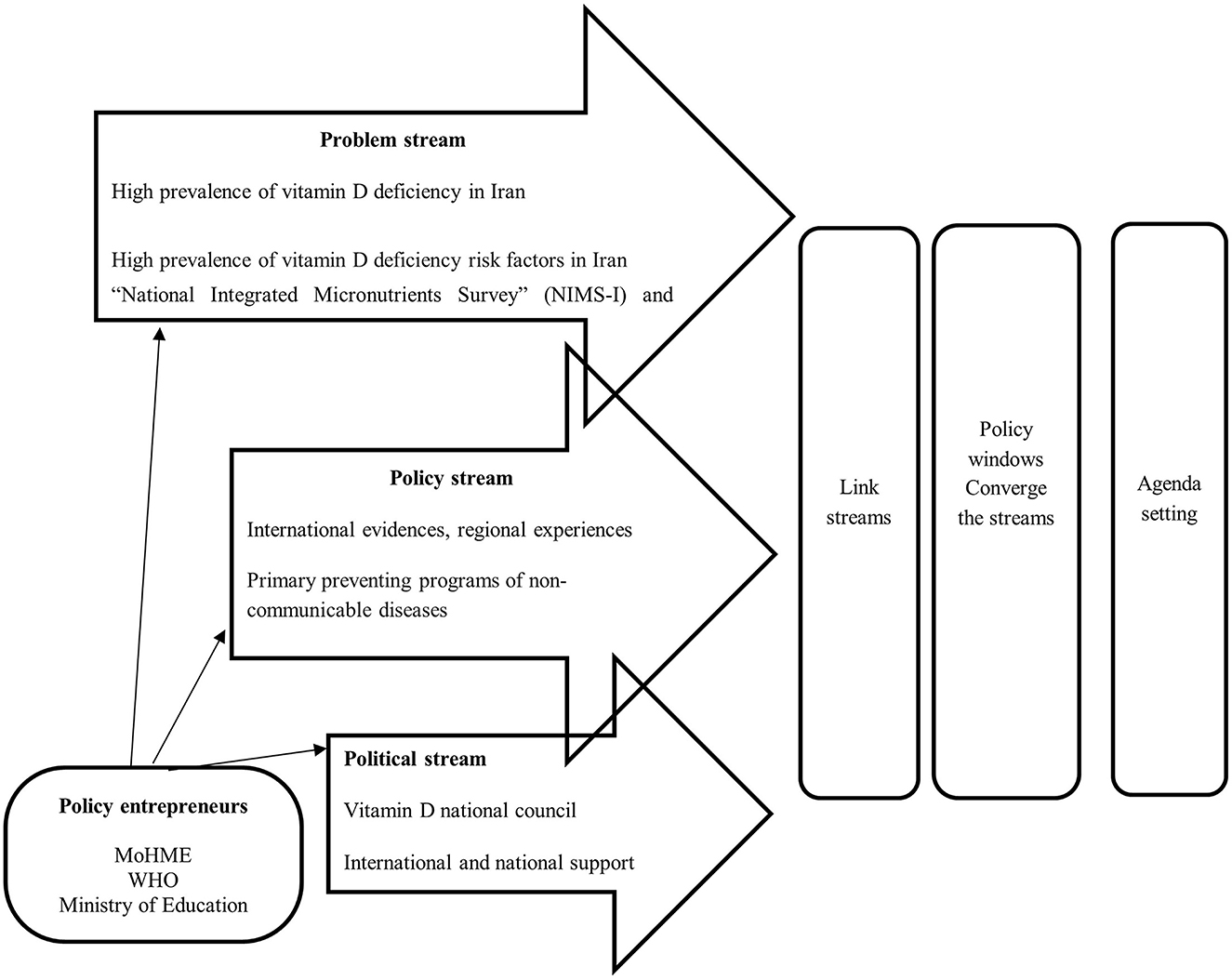
Figure 1. Vitamin D agenda-setting in Iran based mostly on the Kingdon’s a number of streams framework.
2. Material and strategies
This qualitative examine used an MSF-based strategy to discover the principle elements affecting the VDD downside stream, options to forestall hypovitaminosis D, and the political conditions influencing the emergence of VDD prevention insurance policies in Iran.
2.1. Documents evaluation
We explored all of the obtainable paperwork associated to vitamin D insurance policies, together with coverage paperwork, legal guidelines, scientific and nationwide research, newspaper articles, rules, and authorities stories. An preliminary search was performed within the obtainable governmental stories, the online pages of the Ministry of Health and Medical Education (MoHME), Iranian authorities businesses, Iranian medical universities, and associated analysis websites.
2.2. Key informant interviews
Using purposeful and theoretical sampling strategies, semi-structured interviews have been carried out by Ph.D. college students from Food and Nutrition Policy on the interviewees’ office. Interviews continued as much as knowledge saturation. The interviewer defined the analysis goals and shunned any bias or prejudice through the interview. The key informants and actors have been interviewed based mostly on a conceptual framework guideline. The baseline matter information of the examine was pre-tested, and vital adjustments have been made. Totally, 27 interviews have been undertaken with 13 stakeholders from totally different ranges of the MoHME, 4 of whom have been lecturers and researchers, 2 have been from the National Nutrition Food Technology Research Institute, and 1 was from the Food and Drug Organization. The different 7 contributors have been from totally different ranges of the MoHME. Twenty-four interviews have been performed face-to-face, and three interviews have been performed over phone on account of COVID-19 restrictions. After acquiring knowledgeable consent from the contributors, we recorded (audio solely) all interviews, which have been transcribed verbatim. The interviews (common time: 34 min) have been performed on the contributors’ places of work between 1 December 2021 and 31 May 2022.
The following questions have been requested:
1. Problem stream: What are the issues associated to vitamin D insurance policies in Iran? How did VDD enter the agenda?
2. Policy stream: What is the setting addressed by totally different organizations to resolve VDD points in Iran?
3. Political stream: How do political determinants have an effect on vitamin D prevention insurance policies in Iran?
2.3. Data evaluation
2.4. Ethical points
The ethics committee of Tabriz University of Medical Sciences, Tabriz, Iran accepted the examine protocol (Code: IR.TBZMED.REC.1400.653). All contributors signed a consent type earlier than the interview and had the precise to go away the examine at any stage. Further, the interviewees’ quotes have been anonymized, and their job place anonymized.
3. Results
The outcomes have been structured based mostly on Kingdon’s MSF mannequin. Table 1 reveals the findings of reviewing 11 coverage paperwork and conducting interviews with 27 key informants with a median work expertise of 21 years.
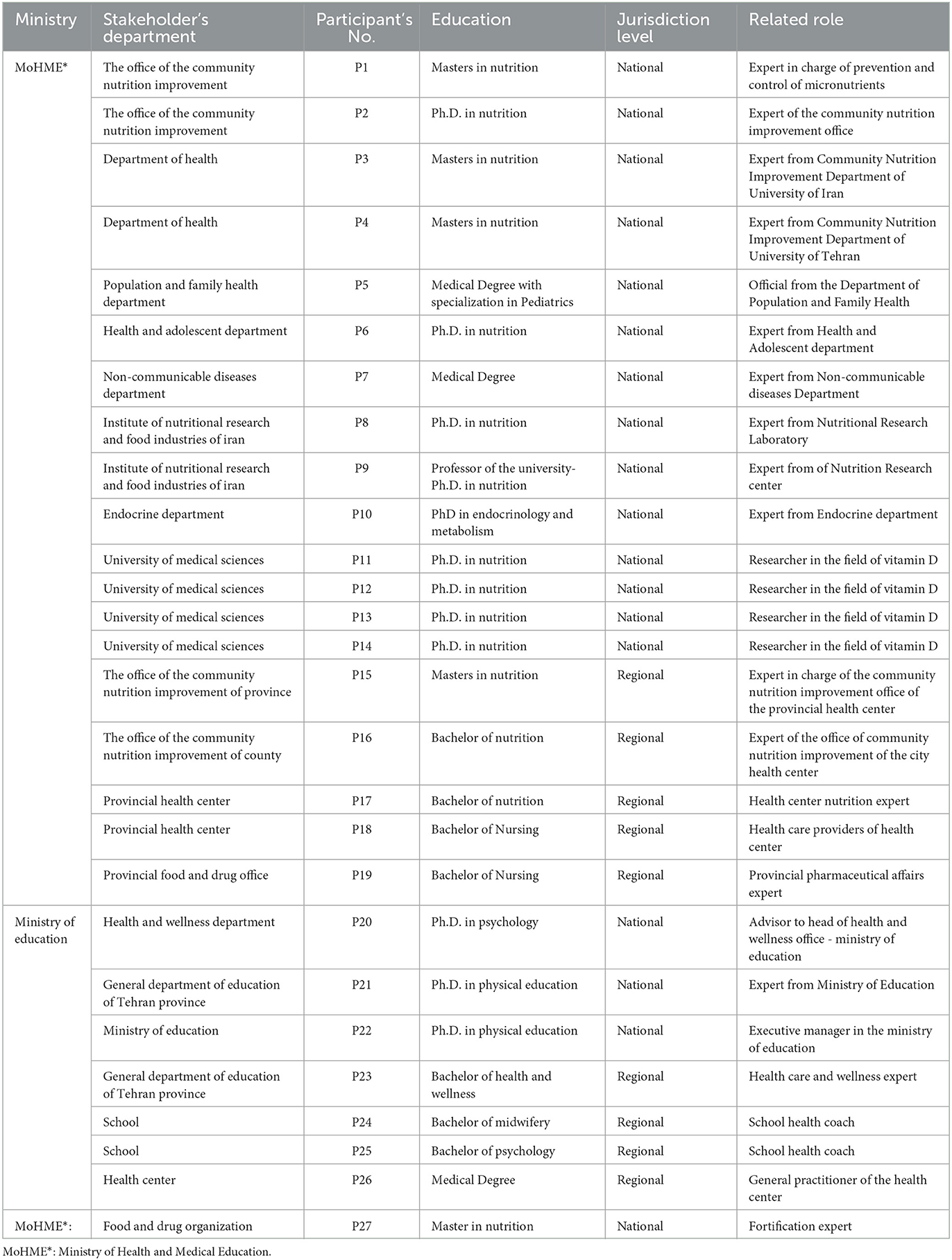
Table 1. Professional background of contributors.
3.1. Problem stream
3.1.1. High prevalence of VDD in Iran
The interviewees believed that the excessive prevalence of hypovitaminosis D in Iran was on account of individuals’s inadequate publicity to daylight and restricted consumption of meals wealthy in vitamin D. Proponents advocating the prevention of micronutrient deficiency in Iran argue that VDD can impose financial prices on account of its affiliation with non-communicable ailments (NCDs). In this regard, one interviewee from the Nutrition Research Institute on the policymaking stage acknowledged:
“It is not any exaggeration to say that the biggest quantity of current research within the discipline of micronutrients is expounded to vitamin D. In phrases of the truth that the criterion that they had for VDD 20 years in the past was fairly totally different from now, it’s believable that one motive for the rise within the prevalence of VDD is expounded to the change within the criterion.” (Participant 8)
Another key informant stated:
“Since vitamin D doesn’t have vital meals sources within the meals basket of most Iranians, and the individuals’s publicity to daylight is low, the prevalence of VDD is larger. Of course, the identical wavelength that synthesizes vitamin D within the pores and skin results in many pores and skin ailments, together with pores and skin most cancers.” (Participant 10)
The outcomes of the nationwide surveys on micronutrient standing in Iran in 2001 and 2012 have been in step with the statements made by our contributors. The first nationwide survey was performed in 2001 to discover the standing of micronutrients based mostly on the primary National Integrated Micronutrients Survey (NIMS-I) in Iran. The second National Integrated Micronutrient Survey (NIMS-II) was performed in 2012 and aimed to evaluate the dietary standing of 4 micronutrients, together with iron, zinc, vitamin A, and vitamin D (7). According to the reported outcomes, the prevalence of VDD was 23.3% in infants aged 15–23 months and 76% in adolescents. Further, the prevalence of VDD in ladies was larger than in boys; roughly 93.9% of women had vitamin D deficiency. Finally, the prevalence of VDD deficiency was greater than 50% in different teams together with aged, adults, and a pair of–8 yr previous kids, and the very best prevalence of VDD (85.3%) was associated to pregnant moms.
The outcomes of the interviews confirmed that regardless of the implementation of the nationwide vitamin D supplementation program in Iranian excessive colleges since 2014, VDD was nonetheless frequent amongst adolescents and adults. The interviewers defined that one potential motive for VDD was that the vitamin D supplementation program was applied alongside the iron supplementation program amongst adolescents in colleges. In this program, the manager directors of the iron supplementation program additionally administered vitamin D supplementation, they usually weren’t paid further for his or her new duties, in order that they weren’t motivated sufficient to correctly implement the vitamin D complement plan. In addition, the outbreak of COVID-19 triggered restrictions within the correct implementation of the vitamin D program.
“We are dealing with an absence of funds and well being care employees. Sometimes the academics who’re used as well being employees in colleges are pressured to make use of their class time, which is for educating, to implement the vitamin D complement program.” (Participant 23)
“High faculty college students typically refuse to take the tablet out of mischief. The purpose is to enhance college students’ bodily well being, particularly feminine college students, by way of supplementation with iron and vitamin D.” (Participant 25)
“In current years, this program was not carried out usually; the principle motive was the incidence of COVID-19 that led to the closure of colleges. Also, we didn’t have entry to college students and their dad and mom didn’t cooperate to go to the well being facilities and obtain the dietary supplements because of the worry of COVID-19.” (Participant 2)
3.1.1.1. High prevalence of VDD danger elements in Iran
Some of the principle causes of VDD in Iran over the previous few a long time have been reported as adjustments in socioeconomic elements, meals patterns, and way of life (7, 19). Vitamin D deficiency varies based mostly on age, intercourse, and placement of residence (20). Other causes that have an effect on vitamin D standing embrace the rising prevalence of weight problems, air air pollution (21), urbanization charge (22), and inadequate public consciousness (23).
“In the National Food and Nutrition Care Program, which is performed by the Nutrition Research Institute in collaboration with the Nutrition Improvement Office, we witnessed that the very best prevalence of VDD was associated to the provinces close to the equator, as a result of individuals’s sun-avoidance behaviors are extra frequent in these areas.” (Participant 12)
3.2. Policy stream
The coverage stream focuses on how options may be utilized for VDD prevention. The VDD prevention program was diligently applied firstly of the Second National Integrated Micronutrient Survey (NIMS-II) program in 2012 (7).
“One resolution is to show individuals about publicity to daylight. However, there are a lot of cultural and social concerns towards it. Now, for instance, I’m indoors from 7:00 am to 10:00 pm; and it’s not potential for me to be uncovered to daylight. Therefore, social relations are sometimes most popular over medical suggestions.” (Participant 8)
The subsequent technique was to make use of numerous nutritionists to arrange tips for vitamin training following Iran’s Health Reform Plan in 2014. The interviewees steered that the most effective resolution to forestall VDD was to fortify some meals with vitamin D. Recently, a nationwide fortification committee accepted the addition of vitamin D to flour, which is at the moment being completed in a pilot section in some Iranian provinces.
“Supplementation is a coverage that can not be applied for everybody. It needs to be completed in a selected group and through a restricted interval. In my thought, the most effective coverage at the moment being employed on the nationwide stage is the vitamin D fortification program.” (Participation 9)
“We ought to search to extend vitamin D consumption within the society by way of fortification of the dominant meals of the society.” (Participant 9)
Based on the outcomes from the interviews and reviewing present paperwork, the next actions have been recognized as options to forestall VDD in Iran: (a) the distribution of free milk in colleges by prioritizing milk fortified with vitamin D, applied in Iran between 2000 and 2010; (b) the institution of National Food and Nutrition Care Program in 2013; and (c) the formation of the National Committee for the Prevention and Control of Non-Communicable Diseases in 2014.
The distribution of free milk in colleges was applied as a pilot in colleges between 2000 and 2010. Later, vitamin D-fortified milk was provided. However, this system was canceled in most provinces in recent times on account of monetary issues; it’s being applied solely in eight disadvantaged provinces since 2018. According to the outcomes of interviews performed on this examine, a mixture of methods, together with vitamin D supplementation for susceptible teams, meals fortification, and rising public consciousness might be thought-about as the most effective options to forestall VDD.
3.3. Political stream
3.3.1. International and nationwide assist
The World Health Organization (WHO) performs a foremost position within the world governance of NCD management and prevention. The Iranian nationwide program for the management and prevention of NCDs was drafted after the WHO printed its “Global Action Plan for the Prevention and Control of NCDs 2013–2020” (24). This motion plan was additionally mentioned on the WHO regional places of work (25). Any success within the prevention of NCDs requires a multi-sectoral strategy, which incorporates the participation of all health-related sectors and related stakeholders from different ministries and organizations. According to the outcomes of the interviews, it’s important to concentrate on prevention slightly than therapy to enhance Iran’s “general insurance policies for well being” developed in 2014. However, the dearth of intersectoral partnership and adjustments within the administration system triggered the gradual progress of the coverage course of.
“Regarding vitamin D fortification, it took 4 years to justify one of many former managers to alter his standpoint.” (Participant 8)
After forming a specialised working group on well being and meals security in 2012 and launching the well being system reform plan in 2014, extra nutritionists have been employed within the well being sector. Further, the nationwide program for the management and prevention of NCDs was established in 2014, and the outcomes of the National Integrated Micronutrient Survey have been publicized. These actions attracted the policymakers’ consideration to vitamin D insurance policies. These streams opened the chance window to determine vitamin D insurance policies by the Nutrition Improvement Office of the MoHME.
4. Discussion
According to the outcomes of interviews performed on this examine, the principle coverage to forestall VDD in Iran was to run a supplementation technique in kids beneath 2 years previous, highschool college students, and adults, in addition to to refer older adults to well being facilities. Along with supplementation, vitamin training was recognized as one other program to enhance vitamin D consumption. However, due to the heavy workload within the instructional system and the scarcity of employees in healthcare, this system has not carried out effectively. Besides, the fortification of meals with vitamin D was completed as a pilot initiative in two provinces and never undertaken nationwide. Nonetheless, a number of meals firms established vitamin D fortification voluntarily.
The agenda-setting means of this coverage, obtained from the convergence of the three streams, and the presence of political entrepreneurs to hitch these streams led to the creation of the window of alternative.
One of the important thing conclusions of this examine is that therapy took priority over prevention within the Iranian healthcare system. Hence, the foremost obstacles have been the dearth of enough consciousness of vitamin D deficiency and the uncomfortable side effects of NCDs; incomplete coordination between totally different businesses of presidency; lack of statistics and analysis; tendency towards unhealthy way of life, and environmental issues. In addition, the outbreak of COVID-19 and the present financial state of affairs in lots of low- and middle-income nations (similar to Iran) pose hurdles to the implementation of vitamin D insurance policies regardless of inserting them on the agenda.
Recent research have reported a number of helpful results of upper consumption of vitamin D. Vitamin D supplementation improved inflammatory and oxidative stress by decreasing C-reactive protein (CRP), tumor necrosis factor-α (TNF-α), and malondialdehyde (MDA) ranges (26). It additionally positively affected the degrees of weight problems indices, together with physique mass index (BMI), and waist circumference (WC) (27). Further, vitamin D supplementation was proven to cut back the event of despair signs (28).
It is vital to persuade politicians by offering evidence-based analysis to position the specified well being subject on the agenda (29). In the case of vitamin D, there’s a want for stakeholder engagement, as proven by nationwide analysis and knowledge on the excessive incidence of VDD and a few proof of its detrimental impacts on public well being (7). One foremost problem on this discipline stays the dearth of nationwide stories evaluating serum vitamin D ranges after this system implementation of supplementation with mega-dose of vitamin D.
Although the outcomes obtained on this examine confirmed that vitamin D supplementation had a optimistic impact on enhancing vitamin D standing, VDD continues to be thought-about a prevalent well being downside in Iran (30). Studies performed in different nations, similar to Finland and Australia, confirmed that after vitamin D insurance policies have been put in place, vitamin D standing elevated significantly (31, 32). On the opposite hand, research in another nations confirmed that regardless of the existence of vitamin D applications, vitamin D standing was undesirable (33, 34).
Numerous research have flagged gender variations within the prevalence of VDD in Iran. One examine reported that the deficiency was considerably extra prevalent in ladies than boys (35). Another investigation discovered that the very best serum 25(OH)D ranges for ladies have been decrease or equal to the bottom values for males (36). This is in step with the leads to nearly all of different nations (37). However, there was no vital distinction within the consumption of vitamin D between ladies and boys in Iran; due to this fact, the gender distinction could also be associated to the dearth of publicity to daylight due to the kind of clothes in Iranian ladies (35). Furthermore, socioeconomic and cultural determinants have vital results on public entry to vitamin D assets (38). Besides, some elements, together with weight problems, bodily inactivity (39), ethnicity, (40) latitude, and the quantity of air pollution, are reported to be predictors of VDD. Despite the proof, insurance policies don’t pay sufficient consideration to the individuals with particular circumstances, and this system is applied equally in all elements of the nation. This one-size-fits-all strategy must be revised.
Our findings additionally spotlight the necessity to concentrate on the position of political assist on the nationwide and worldwide ranges in setting the agenda for vitamin D coverage. After creating the Global Action Plan for the Prevention and Control of NCDs 2013–2020 by the WHO, the Iranian Action Plan for the Prevention of NCDs was introduced by the MoHME. The adoption of Iran’s Health Reform Plan 2013 highlighted the significance of controlling NCDs (41).
After opening the window of alternative, sensible options and initiatives needs to be used. However, actors aside from these within the well being sector shouldn’t have sufficient motivation to work on this subject. Although Iran’s well being sector was constructed utilizing a top-down technique on the nationwide, provincial, and concrete ranges (42), there may be inadequate involvement from government stakeholders and actors at decrease ranges within the formulation of insurance policies. Consequently, policymakers on the prime usually are not concerned within the problems with stakeholders on the decrease and native ranges. Therefore, a lot of the insurance policies are applied with an absence of enthusiasm (43).
Another explanation for VDD and meals insecurity is the poor financial state of affairs, which can result in unaffordability in entry to vitamin D dietary supplements wanted to implement the coverage (44). Vitamin D supplementation was reported to cut back COVID-19–associated deaths (45). However, based mostly on the interviewees, the optimum implementation of the mega-dose of vitamin D supplementation program throughout COVID-19 confronted some difficulties by way of lowered entry to college students and adults. In addition to vitamin D supplementation, vitamin D fortification may be thought-about as a method to forestall VDD in Iran (46). According to the respondents, a combined strategy to achieve numerous teams, in addition to well-designed rules with ongoing monitoring methods, can enhance vitamin D standing in the neighborhood.
5. Limitations and/strengths
6. Conclusion
Applying Kingdon’s agenda-setting strategy, this examine provided insights into the elements that affect the event of insurance policies associated to vitamin D, which might result in the creation of most popular coverage options. Currently, a window of alternative for VDD prevention has been opened. Despite the emphasis of the “general insurance policies for well being” on prevention over therapy, this isn’t applied in follow on account of some native issues. In addition, some challenges, such because the inadequacy of the well being sector’s capability and services and the outbreak of COVID-19, negatively affected the implementation of the insurance policies. Regarding political suggestions, accountable organizations such because the WHO ought to empower low- and middle-income nations and allocate a part of the budgets for large preventative methods. Currently, it’s important to strengthen intersectoral cooperation to higher perceive the issue and supply potential options. However, actors require political assist to maneuver this topic on the agenda. This assist may be offered by the federal government, the Supreme Council of Health, and Food Security, the MoHME, and the Ministry of Education to retain the coverage on the agenda.
Data availability assertion
Ethics assertion
The research involving people have been accepted by the Ethics Committee of Tabriz University of Medical Sciences, Tabriz, Iran (Code: IR.TBZMED.REC.1400.653). The research have been performed in accordance with the native laws and institutional necessities. Written knowledgeable consent for participation on this examine was offered by the contributors’ authorized guardians/subsequent of kin.
Author contributions
Funding
The Research Vice-Chancellor of Tabriz University of Medical Sciences, Tabriz, Iran, funded this examine (Grant Number; IR.TBZMED.REC.1400.653).
Acknowledgments
We thank all stakeholders and the Research Vice-Chancellor of Tabriz University of Medical Sciences, Tabriz, Iran. The present work is a report of database extracted from Ph.D. thesis registered in Tabriz University of Medical Sciences, Tabriz, Iran with the Number; IR.TBZMED.REC.1400.653.
Conflict of curiosity
Publisher’s notice
Abbreviations
BMI, Body Mass Index; COVID-19, Coronavirus disease-19; NCDs, Non-Communicable Diseases; MoHME, Ministry of Health and Medical Education; MoE, Ministry of Education; WHO, World Health Organization.
Footnotes
References
1. Christakos S, Dhawan P, Verstuyf A, Verlinden L, Carmeliet G. Vitamin D: metabolism, molecular mechanism of motion, and pleiotropic results. Physiol Rev. (2016) 96:365–408. doi: 10.1152/physrev.00014.2015
PubMed Abstract | CrossRef Full Text | Google Scholar
2. Vearing RM, Hart KH, Darling AL, Probst Y, Olayinka AS, Mendis J, et al. Global perspective of the vitamin D standing of African-Caribbean populations: a scientific evaluation and meta-analysis. Eur J Clin Nutr. (2022) 76:516–26. doi: 10.1038/s41430-021-00980-9
PubMed Abstract | CrossRef Full Text | Google Scholar
5. Saraf R, Morton SM, Camargo CA Jr, Grant CC. Global abstract of maternal and new child vitamin D standing–a scientific evaluation. Matern Child Nutr. (2016) 12:647–68. doi: 10.1111/mcn.12210
PubMed Abstract | CrossRef Full Text | Google Scholar
6. Cashman KD, Sheehy T, O’Neill CM. Is vitamin D deficiency a public well being concern for low center earnings nations? A scientific literature evaluation. Eur J Nutr. (2019) 58:433–53. doi: 10.1007/s00394-018-1607-3
PubMed Abstract | CrossRef Full Text | Google Scholar
7. Pouraram H, Djazayery A, Mohammad Okay, Parsaeian M, Abdollahi Z, Motlagh AD, et al. Second nationwide built-in micronutrient survey in Iran: Study design and preliminary findings. Arch Iran Med. (2018) 21:137–44.
PubMed Abstract | Google Scholar
8. Tabrizi R, Moosazadeh M, Akbari M, Dabbaghmanesh MH, Mohamadkhani M, Asemi Z, et al. High prevalence of vitamin D deficiency amongst Iranian inhabitants: a scientific evaluation and meta-analysis. Iran J Med Sci. (2018) 43:125.
PubMed Abstract | Google Scholar
9. Grant WB, Schwalfenberg GK, Genuis SJ, Whiting SJ. An estimate of the financial burden and untimely deaths on account of vitamin D deficiency in Canada. Mol Nutr Food Res. (2010) 54:1172–81. doi: 10.1002/mnfr.200900420
PubMed Abstract | CrossRef Full Text | Google Scholar
10. Grant WB, Cross HS, Garland CF, Gorham ED, Moan J, Peterlik M, et al. Estimated good thing about elevated vitamin D standing in decreasing the financial burden of illness in western Europe. Prog Biophys Mol Biol. (2009) 99:104–13. doi: 10.1016/j.pbiomolbio.2009.02.003
PubMed Abstract | CrossRef Full Text | Google Scholar
11. Uday S, Kongjonaj A, Aguiar M, Tulchinsky T, Högler W. Variations in toddler and childhood vitamin D supplementation programmes throughout Europe and elements influencing adherence. Endocrine Connec. (2017) 6:667–75. doi: 10.1530/EC-17-0193
PubMed Abstract | CrossRef Full Text | Google Scholar
12. Zandieh N, Hemami MR, Darvishi A, Hasheminejad SM, Abdollahi Z, Zarei M, et al. The cost-effectiveness evaluation of a nationwide vitamin D supplementation program amongst Iranian adolescents for maturity cardiovascular ailments prevention. Public Health. (2021) 198:340–7. doi: 10.1016/j.puhe.2021.07.019
PubMed Abstract | CrossRef Full Text | Google Scholar
13. Wagner C, Greer F. American Academy of Pediatrics Committee on Nutrition Prevention of rickets and vitamin D deficiency in infants, kids, and adolescents. Pediatrics. (2008) 122:1142–52. doi: 10.1542/peds.2008-1862
PubMed Abstract | CrossRef Full Text | Google Scholar
14. Esmaeili Dooki M, Moslemi L, Moghadamnia A, Alijanpour Aghamaleki M, Bijani A, Pornasrollah M, et al. Vitamin D standing in preschool kids: ought to vitamin D supplementation, stopping vitamin D deficiency be continued in kids over 2 years? J Public Health. (2019) 41:575–82. doi: 10.1093/pubmed/fdy147
PubMed Abstract | CrossRef Full Text | Google Scholar
15. Mortazavi S, Motlagh M, Qorbani M, Mozafarian N, Heshmat R, Kelishadi R. Association of display screen time with sleep period in school-aged kids; a nationwide propensity score-matched evaluation: the CASPIAN-V examine. J Res Health Sci. (2019) 19:e00443.
PubMed Abstract | Google Scholar
16. Kingdon JW, Stano E. Agendas, alternate options, and public insurance policies: Little, Brown Boston. J Public Pol. (1984) 5:281–283.
Google Scholar
17. Walt G, Shiffman J, Schneider H, Murray SF, Brugha R, Gilson L. ‘Doing’health coverage evaluation: methodological and conceptual reflections and challenges. Health Policy Plan. (2008) 23:308–17. doi: 10.1093/heapol/czn024
PubMed Abstract | CrossRef Full Text | Google Scholar
18. Ravaghi H, Tourani S, Khodayari-Zarnaq R, Aghapour B, Pishgoo A, Arabloo J. Agenda-setting of tobacco management coverage in Iran: a retrospective coverage evaluation examine. BMC Public Health. (2021) 21:1–10. doi: 10.1186/s12889-021-12339-7
PubMed Abstract | CrossRef Full Text | Google Scholar
19. Hoseinzadeh E, Taha P, Wei C, Godini H, Ashraf GM, Taghavi M, et al. The impression of air pollution, UV publicity and geographic location on vitamin D deficiency. Food Chem Toxicol. (2018) 113:241–54. doi: 10.1016/j.fct.2018.01.052
PubMed Abstract | CrossRef Full Text | Google Scholar
21. Jazayeri M, Moradi Y, Rasti A, Nakhjavani M, Kamali M, Baradaran HR. Prevalence of vitamin D deficiency in wholesome Iranian kids: A scientific evaluation and meta-analysis. Med J Islam Repub Iran. (2018) 32:83. doi: 10.14196/mjiri.32.83
PubMed Abstract | CrossRef Full Text | Google Scholar
22. Pereira-Santos M, Costa PdF, Assis Ad, Santos CdS, Santos Dd. Obesity and vitamin D deficiency: a scientific evaluation and meta-analysis. Obesity Rev. (2015) 16:341–9. doi: 10.1111/obr.12239
PubMed Abstract | CrossRef Full Text | Google Scholar
23. Alamoudi LH, Almuteeri RZ, Al-Otaibi ME, Alshaer DA, Fatani SK, Alghamdi MM, et al. Awareness of vitamin D deficiency among the many common inhabitants in Jeddah, Saudi Arabia. J Nutr Metabol. (2019) 2019:4138187. doi: 10.1155/2019/4138187
PubMed Abstract | CrossRef Full Text | Google Scholar
24. Organization WH. Global motion plan for the prevention and management of noncommunicable ailments 2013-2020. World Health Organization (2013).
Google Scholar
25. Peykari N, Hashemi H, Dinarvand R, Haji-Aghajani M, Malekzadeh R, Sadrolsadat A, et al. National motion plan for non-communicable ailments prevention and management in Iran; a response to rising epidemic. J Diab Metab Disor. (2017) 16:1–7. doi: 10.1186/s40200-017-0288-4
PubMed Abstract | CrossRef Full Text | Google Scholar
26. Moslemi E, Musazadeh V, Kavyani Z, Naghsh N, Shoura SMS, Dehghan P. Efficacy of vitamin D supplementation as an adjunct remedy for enhancing inflammatory and oxidative stress biomarkers: An umbrella meta-analysis. Pharmacol Res. (2022) 2022:106484. doi: 10.1016/j.phrs.2022.106484
PubMed Abstract | CrossRef Full Text | Google Scholar
27. Musazadeh V, Zarezadeh M, Ghalichi F, Kalajahi FH, Ghoreishi Z. Vitamin D supplementation positively impacts anthropometric indices: Evidence obtained from an umbrella meta-analysis. Front Nutr. (2022) 9:980749. doi: 10.3389/fnut.2022.980749
PubMed Abstract | CrossRef Full Text | Google Scholar
28. Musazadeh V, Keramati M, Ghalichi F, Kavyani Z, Ghoreishi Z, Alras KA, et al. Vitamin D protects towards despair: Evidence from an umbrella meta-analysis on interventional and observational meta-analyses. Pharmacol Res. (2022) 2022:106605. doi: 10.1016/j.phrs.2022.106605
PubMed Abstract | CrossRef Full Text | Google Scholar
29. Hanney SR, Gonzalez-Block MA, Buxton MJ, Kogan M. The utilisation of well being analysis in policy-making: ideas, examples and strategies of evaluation. Health Res. Policy Syst. (2003) 1:1–28. doi: 10.1186/1478-4505-1-2
PubMed Abstract | CrossRef Full Text | Google Scholar
30. Nikooyeh B, Abdollahi Z, Hajifaraji M, Alavi-Majd H, Salehi F, Yarparvar AH, et al. Vitamin D standing, latitude and their associations with some well being parameters in kids: nationwide meals and vitamin surveillance. J Trop Pediatr. (2017) 63:57–64. doi: 10.1093/tropej/fmw057
PubMed Abstract | CrossRef Full Text | Google Scholar
31. Kärkkäinen M, Tuppurainen M, Salovaara Okay, Sandini L, Rikkonen T, Sirola J, et al. Effect of calcium and vitamin D supplementation on bone mineral density in girls aged 65–71 years: a 3-year randomized population-based trial (OSTPRE-FPS). Osteopor Int. (2010) 21:2047–55. doi: 10.1007/s00198-009-1167-8
PubMed Abstract | CrossRef Full Text | Google Scholar
32. Daly RM, Gagnon C, Lu ZX, Magliano DJ, Dunstan DW, Sikaris KA, et al. Prevalence of vitamin D deficiency and its determinants in Australian adults aged 25 years and older: a nationwide, population-based examine. Clin Endocrinol. (2012) 77:26–35. doi: 10.1111/j.1365-2265.2011.04320.x
PubMed Abstract | CrossRef Full Text | Google Scholar
33. Vatanparast H, Calvo MS, Green TJ, Whiting SJ. Despite obligatory fortification of staple meals, vitamin D intakes of Canadian kids and adults are insufficient. J Steroid Biochem Mol Biol. (2010) 121:301–3. doi: 10.1016/j.jsbmb.2010.03.079
PubMed Abstract | CrossRef Full Text | Google Scholar
34. Black LJ, Walton J, Flynn A, Cashman KD, Kiely M. Small increments in vitamin D consumption by Irish adults over a decade present that strategic initiatives to fortify the meals provide are wanted. J Nutr. (2015) 145:969–76. doi: 10.3945/jn.114.209106
PubMed Abstract | CrossRef Full Text | Google Scholar
35. Rabbani A, Alavian S-M, Motlagh ME, Ashtiani MT, Ardalan G, Salavati A, et al. Vitamin D insufficiency amongst kids and adolescents dwelling in Tehran, Iran. J Trop Pediatr. (2009) 55:189–91. doi: 10.1093/tropej/fmn078
PubMed Abstract | CrossRef Full Text | Google Scholar
36. Mirsaeid Ghazi A, Rais Zadeh F, Pezeshk P, Azizi F, Cacicedo L. Seasonal variation of serum 25 hydroxy D3 in residents of Tehran. J Endocrinol Invest. (2004) 27:676–9. doi: 10.1007/BF03347502
PubMed Abstract | CrossRef Full Text | Google Scholar
37. Gordon CM, DePeter KC, Feldman HA, Grace E, Emans SJ. Prevalence of vitamin D deficiency amongst wholesome adolescents. Arch Pediatr Adolesc Med. (2004) 158:531–7. doi: 10.1001/archpedi.158.6.531
PubMed Abstract | CrossRef Full Text | Google Scholar
38. Beaton GH, Martorell R, Aronson KA, Edmonston B, Ross GMAC, Harvey B. Vitamin A supplementation and baby morbidity and mortality in creating nations. Food Nutr Bull. (1994) 15:1–9. doi: 10.1177/156482659401500414
CrossRef Full Text | Google Scholar
39. Liu X, Baylin A, Levy PD. Vitamin D deficiency and insufficiency amongst US adults: prevalence, predictors and medical implications. Br J Nutr. (2018) 119:928–36. doi: 10.1017/S0007114518000491
PubMed Abstract | CrossRef Full Text | Google Scholar
40. Moussavi M, Heidarpour R, Aminorroaya A, Pournaghshband Z, Amini M. Prevalence of vitamin D deficiency in Isfahani highschool college students in 2004. Horm Res Paediatr. (2005) 64:144–8. doi: 10.1159/000088588
PubMed Abstract | CrossRef Full Text | Google Scholar
41. Doshmangir L, Moshiri E, Mostafavi H, Sakha MA, Assan A. Policy evaluation of the Iranian Health Transformation Plan in main healthcare. BMC Health Serv Res. (2019) 19:1–8. doi: 10.1186/s12913-019-4505-3
PubMed Abstract | CrossRef Full Text | Google Scholar
42. Taghizadeh S, Khodayari-Zarnaq R, Farhangi MA. Childhood weight problems prevention insurance policies in Iran: a coverage evaluation of agenda-setting utilizing Kingdon’s a number of streams. BMC Pediatr. (2021) 21:1–11. doi: 10.1186/s12887-021-02731-y
PubMed Abstract | CrossRef Full Text | Google Scholar
43. Leach M. Pathways to sustainability within the forest? Misunderstood dynamics and the negotiation of data, energy, and coverage. Environ Plan A. (2008) 40:1783–95. doi: 10.1068/a40215
CrossRef Full Text | Google Scholar
45. Grant WB, Lahore H, McDonnell SL, Baggerly CA, French CB, Aliano JL, et al. Evidence that vitamin D supplementation might cut back danger of influenza and COVID-19 infections and deaths. Nutrients. (2020) 12:988. doi: 10.3390/nu12040988
PubMed Abstract | CrossRef Full Text | Google Scholar
46. Nikooyeh B, Neyestani T. Efficacy of meals fortification with vitamin D in Iranian adults: a scientific evaluation and meta-analysis. Nutr Food Sci Res. (2018) 5:1–6. doi: 10.29252/nfsr.5.4.1
CrossRef Full Text | Google Scholar