


Introduction
Household meals safety has been outlined as all members having enough entry to secure meals by way of socially acceptable means for lively and wholesome life (1). Limited or unsure sources of enough and secure dietary meals or the restricted or unsure skill to amass meals result in meals insecurity (FI). FI is a public well being problem world wide and hundreds of thousands of households are struggling to keep up or obtain meals safety, which incorporates availability, entry, utilization, and talent (2, 3). It is just not thought of a static state and is on a spectrum (3). According to the United Nations in 2021, there’s a increased prevalence of FI for the reason that starting of the COVID-19 pandemic in comparison with earlier than the pandemic (4). The prevalence of family FI in north Iran has been estimated to be ~50.8% in complete with 43.2% gentle FI, 6.5% reasonable FI, and 1.1% extreme FI (5), which can have elevated in recent times as a result of COVID-19 pandemic and different financial and social points.
Various strategies are used to guage FI, two of that are used essentially the most: (1) estimation of meals consumption and (2) estimation of the price of meals preparation (6). These strategies have limitations as a result of price, participant burden, and the necessity for an knowledgeable interviewer. Recently, “experiential” or “perception-based” strategies have been used to measure FI (7). Under these strategies, particular person expertise of FI (i.e., entry) is measured by way of a survey and summarized in a scale. The Household Food Security Survey Module (HFSSM) has been constantly validated as a dependable and important perception-based measure of FI within the United States (8). In Iran, FI is especially investigated by measuring the adequacy of power and vitamins utilizing meals questionnaires or by estimating the poverty line from earnings and expenditure surveys (6). FI is a menace to the well being and survival of people inside communities and may have each short- and long-term results (9). Several elements affect the prevalence of FI together with inhabitants progress, industrialization of communities, rising migration from rural to city areas, insufficient ranges of schooling, wars and financial sanctions by governments, pandemics or endemic ailments, and climate modifications (10–12). In addition, FI can embody a variety of health-related circumstances from undernutrition to overnutrition. Undernutrition consists of losing, underweight, stunting, anemia, and different ailments related to dietary deficiencies. Overnutrition can result in continual circumstances comparable to weight problems, diabetes, fatty liver, hypertension, poor psychological well being, and metabolic syndrome (13–17). As a end result, a big burden is confronted by the financial system and society (5).
Several research have been performed to analyze the prevalence, causes, and varieties of FI world wide and in Iran. According to a meta-analysis from West Africa, the prevalence of FI within the rural inhabitants was ~60.91% and the best prevalence was amongst giant households, female-headed households, and low-income households with low schooling ranges (10). Several systematic critiques and meta-analyses have been performed in Iran (6, 11, 12). In a meta-analysis from 2017, the prevalence of FI was 49.2% based mostly on research that evaluated FI utilizing questionnaires (12). Since the publication of the earlier meta-analysis, many research have been printed evaluating the standing of FI in Iran. Considering this, a brand new meta-analysis is warranted to supply up to date outcomes and summarize current findings. Therefore, the target of this systematic overview and meta-analysis is to replace the findings and conduct a extra complete overview of the prevalence of FI with the consideration of a number of subgroups and different elements.
Method
This systematic overview and meta-analysis had been performed based mostly on the Preferred Reporting Items for Systematic Review and Meta-Analysis assertion (PRISMA) guideline (18). The protocol of the current research was registered on the PROSPERO web site (www.crd.york.ac.uk/PROSPERO) (PROSPERO registration quantity = CRD42022328473).
Search technique and data sources
International scientific databases together with Web of Science, PubMed, Scopus, Google Scholar, and Iranian databases (HYPERLINKs: “https://www.sid.ir/fa/journal/,” “https://ganj.irandoc.ac.ir/,” “https://www.magiran.com/paperadvancedsearch,” “http://thesis.research.ac.ir/faces/home.jspx,” and “https://civilica.com/”) had been searched from 01 January 1990 to 01 February 2022 to determine related research. The detailed search technique is proven in Supplementary Table 1.
Inclusion and exclusion standards
Quality evaluation
The Joanna Briggs Institute (JBI) high quality evaluation guidelines was used to carry out the standard evaluation of the printed articles (19). Two impartial researchers (HA and PS) performed a high quality evaluation for every of the included research. Studies that acquired scores of ≥5 had been categorized as low threat or good high quality and research with scores of ≤4 had been categorized as excessive threat or poor high quality.
Study choice and information extraction
Two impartial reviewers (HA and PS) screened the research based mostly on the eligibility standards. The abstracts and titles of the research had been reviewed, and the included full-text research had been evaluated. Any disagreements had been addressed by a 3rd reviewer’s choice.
Data synthesis and statistical evaluation
Pooled estimates for the magnitude of family meals insecurity had been calculated utilizing a random results mannequin and metaprop module in Stata 14.2. The cause for utilizing a random results mannequin was to try to account for the methodological variations throughout the included articles. A binomial distribution formulation was used to estimate normal errors for every pattern (20). The Egger’s take a look at and Trim and Fill take a look at had been used to guage publication bias. A funnel plot of symmetry visualized publication bias graphically. Evidence of statistically important publication bias was thought of a p-value < 0.05. Sensitivity analyses had been carried out by eradicating the research that confirmed proof of potential publication bias (21). The heterogeneity between research was assessed utilizing the I2 take a look at (22). Subgroup analyses had been performed based mostly on geographic area, age teams, kind of questionnaire, high quality of research, location, and gender. Using meta-regression evaluation, we examined the presence of any linear relationship between noticed impact measurement and time. Evidence of a big distinction throughout the subgroups by the take a look at of group distinction was thought of P < 0.05.
Results
The traits of the included research are proven in Table 1. Since a few of the research reported FI in numerous areas or genders, we thought of them as separate research. Of the included research, 51 examined FI in city areas, 41 in rural areas, and 14 in each areas. Included research additionally investigated FI amongst women and men (n = 70), males (n= 20), and ladies (n= 35). In addition, research had been performed on completely different age teams, together with youngsters (n = 14), adolescents (n = 6), adults (n = 45), and older adults (n = 9). Studies had been performed in a number of completely different areas together with the central (n = 36), western (n = 34), southern (n = 16), northern (n = 7), and japanese (n = 11) components of the nation. Different questionnaires had been used to evaluate FI together with the United States Department of Agriculture 18-item Household Food Security Survey Module (USDA 18-item questionnaire) (n = 48), Household Food Insecurity Access Scale (HFIAS) (n = 32), US Department of Agriculture 6-item Household Food Security Survey Module (USDA 6-item) (n = 12), Radimer-Cornell (n = 6), Farsi Current Population Survey-Food Security Survey Module (FaCPS-FSSM) (n = 3), and the Coping Strategies Index (n = 3).
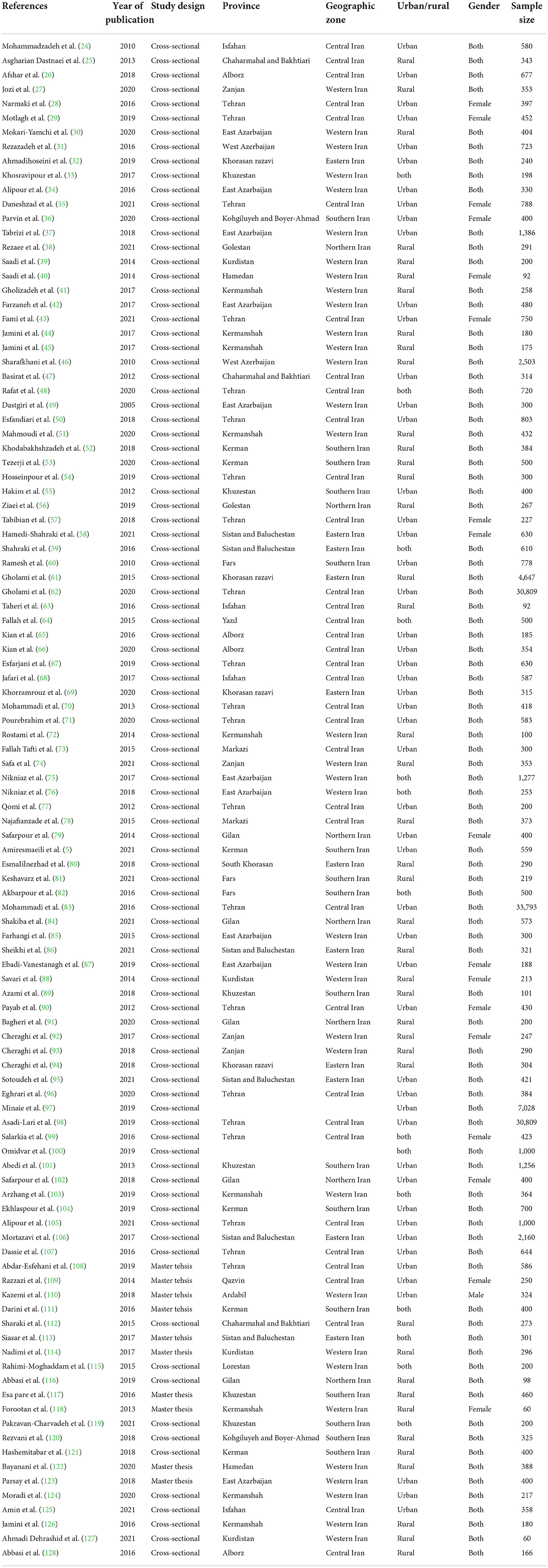
Table 1. Characteristics of the included research within the systematic overview and meta-analysis.
According to the meta-analysis, the full prevalence of FI in Iran was 55.9% (95% CI: 52.6–59.2%) (Figure 2). To decide heterogeneity, meta-regression and subgroup analyses had been performed.
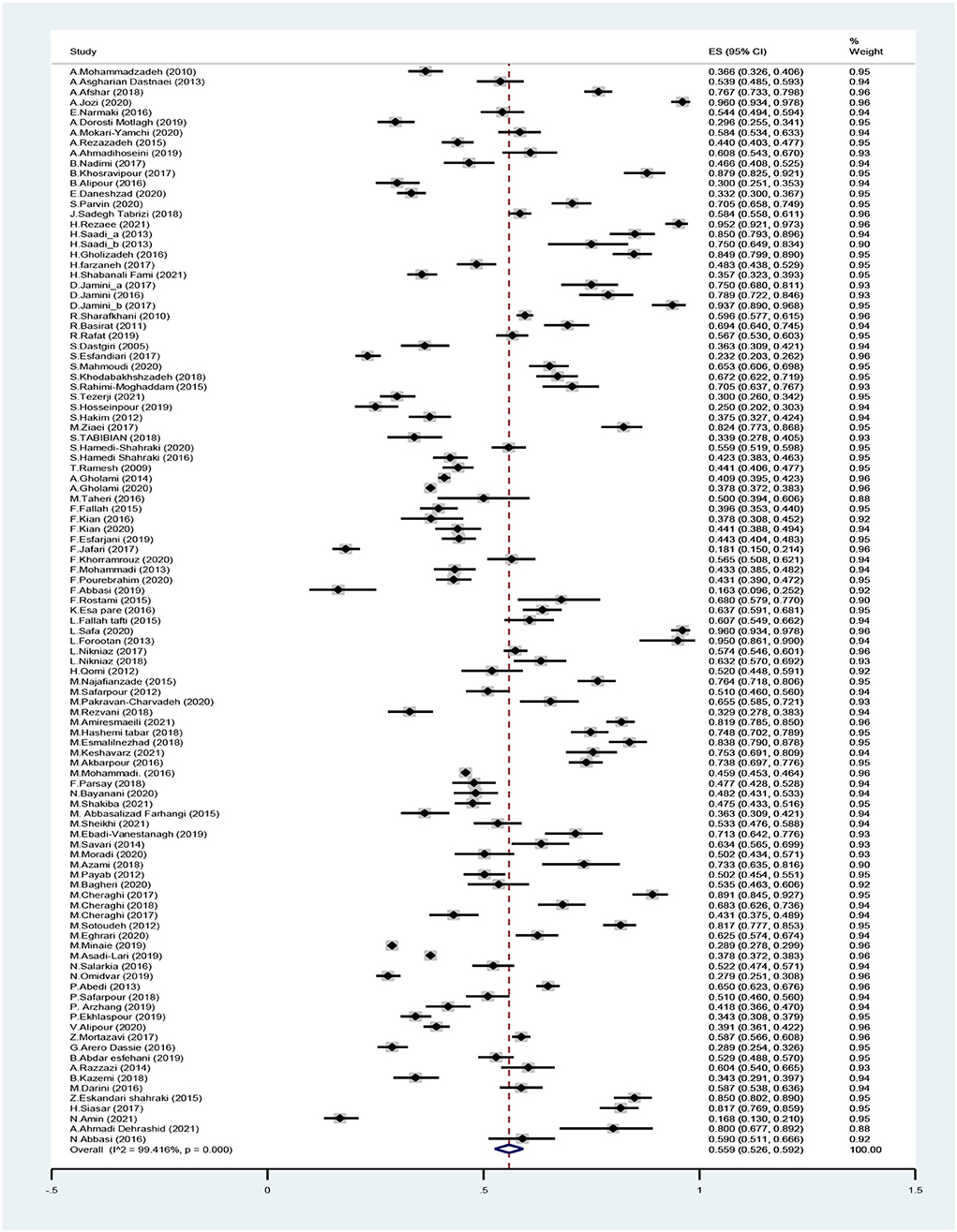
Figure 2. Forest plot for the prevalence of meals insecurity in Iran.
Subgroups and meta-regression analyses
The prevalence of FI in rural areas was 66.1% (95% CI: 58.8–73.4%) which was increased than the prevalence of FI in city areas [47.1% (95% CI: 44.1–50.0%)] (Supplementary Figure 1). The prevalence of FI amongst girls was increased [51.3% (95% CI: 45.1–57.6%) than the prevalence among men (47.8% (95% CI: 41.8–53.8%)] (Supplementary Figure 2). Pooled prevalence of FI was 44.7% (95% CI: 35.5–53.9%) in youngsters, 40.6% (95% CI: 33.2–48.0%) in adolescents, 56.5% (95% CI: 51.7–61.2%) in adults, and 49.8 % (95% CI: 36.6–63.0%) in older adults.
Subgroup analyses by area revealed that the best prevalence of FI was within the western a part of the nation [64.8% (95% CI: 57.7–72.0%)] and the bottom prevalence of FI was within the central a part of the nation [46.1% (95% CI: 43.1–49.2%)]. The prevalence of FI was additionally assessed in line with questionnaires used within the research. The prevalence of FI in research that used USDA 18-item was 54.8% (95% CI: 49.0–60.6%), the HFIAS was 58.4% (95% CI: 49.8–67.1%), and the USDA 6-item was 48.2% (95% CI: 44.3–52.0 %). The highest prevalence of FI was 77.8 % (95% CI: 69.1–93.8%) in research that used the Coping Strategies Index. Moreover, the prevalence was 53.4% (95% CI: 43.0–63.7%) in research that used FaCPS-FSSM and 63.2% (95% CI: 38.2–88.1%) in research that used Radimer-Cornell (Table 2). Meta-regression analyses utilizing random results fashions had been performed to research the change within the prevalence of FI over time; nonetheless, outcomes indicated that there have been no important modifications in FI over time (Figure 3).
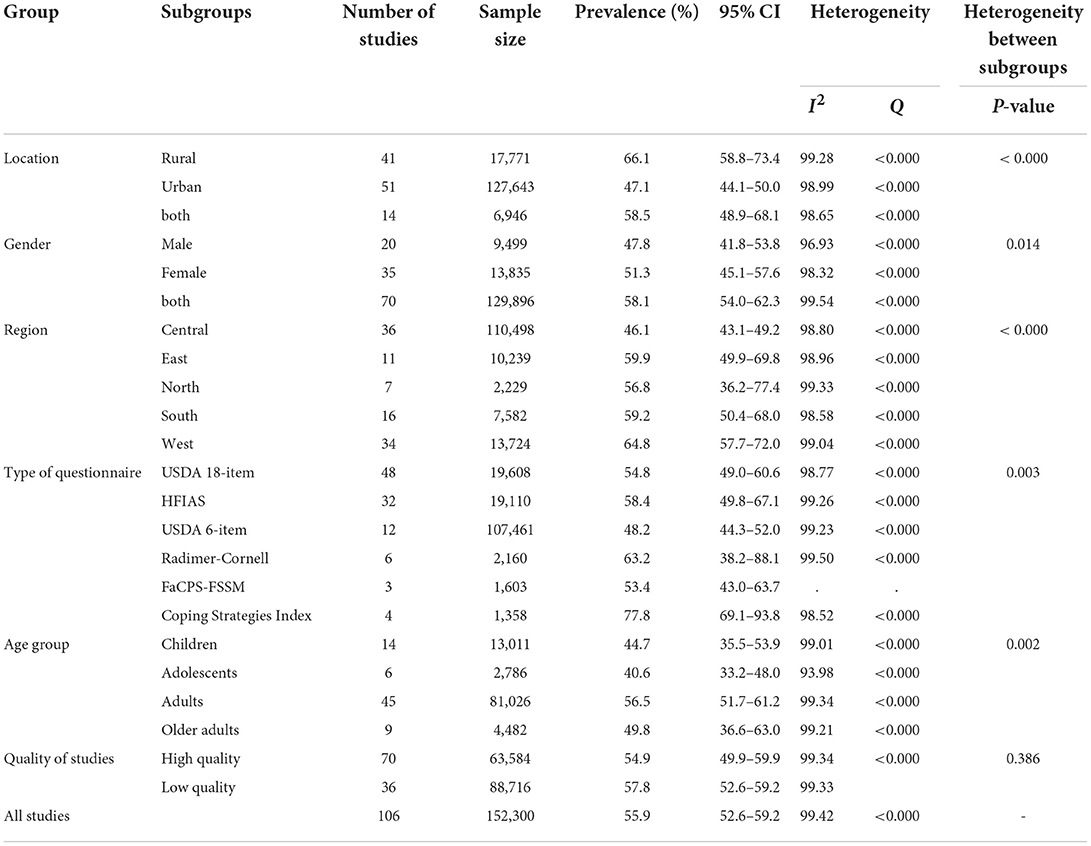
Table 2. Food insecurity prevalence information by location, intercourse, area, age group, high quality of research, and evaluation instrument.
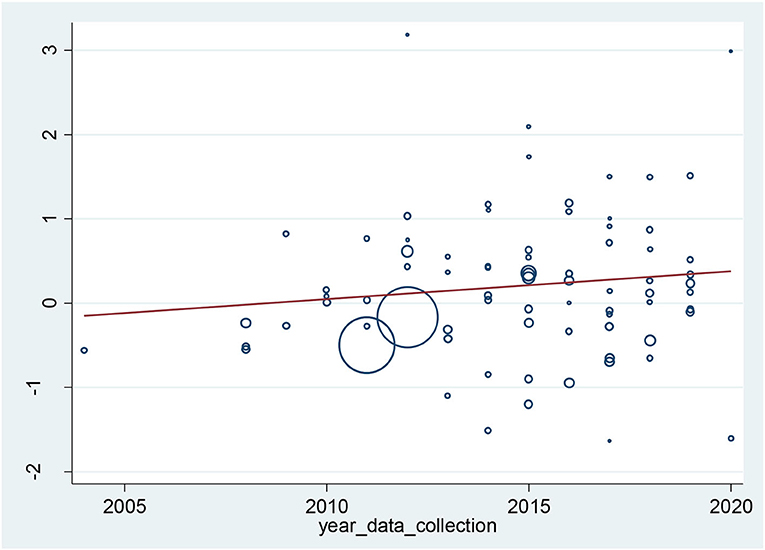
Figure 3. Association of the prevalence of meals insecurity in households with years of information assortment.
Quality evaluation
The Joanna Briggs Institute (JBI) high quality evaluation guidelines was used to evaluate the standard of the printed articles (19). According to the guidelines, 70 research had been categorized as top quality and 36 research had been categorized as low high quality (Supplementary Table 2). Subgroup evaluation revealed no proof of a statistical distinction between the 2 teams.
Publication bias
Despite looking a number of databases, looking grey literature, and never having language limitations, the outcomes of the funnel plot (Figure 4) and Egger’s take a look at (P < 0.000) revealed proof of publication bias. The trim and fill technique utilizing random results was used to regulate the pooled prevalence estimates for publication bias. After imputing 36 research under the imply, the end result indicated an adjusted prevalence of 74.6% (95% CI: 67.3–82.7%) amongst individuals (Figure 5). Furthermore, there was a big heterogeneity between subgroups based mostly on the area (P-value < 0.000), gender (P-value = 0.017), kind of FI questionnaire (P-value = 0.004), and site (P-value < 0.000).
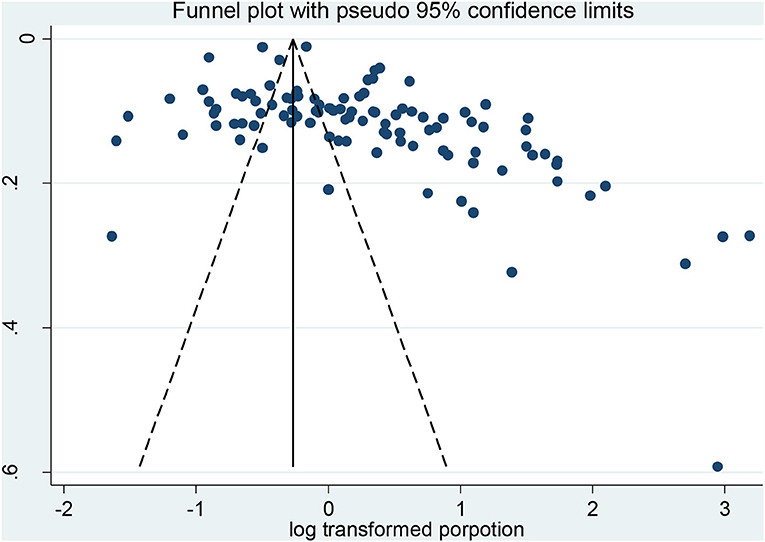
Figure 4. Funnel plot of included research.
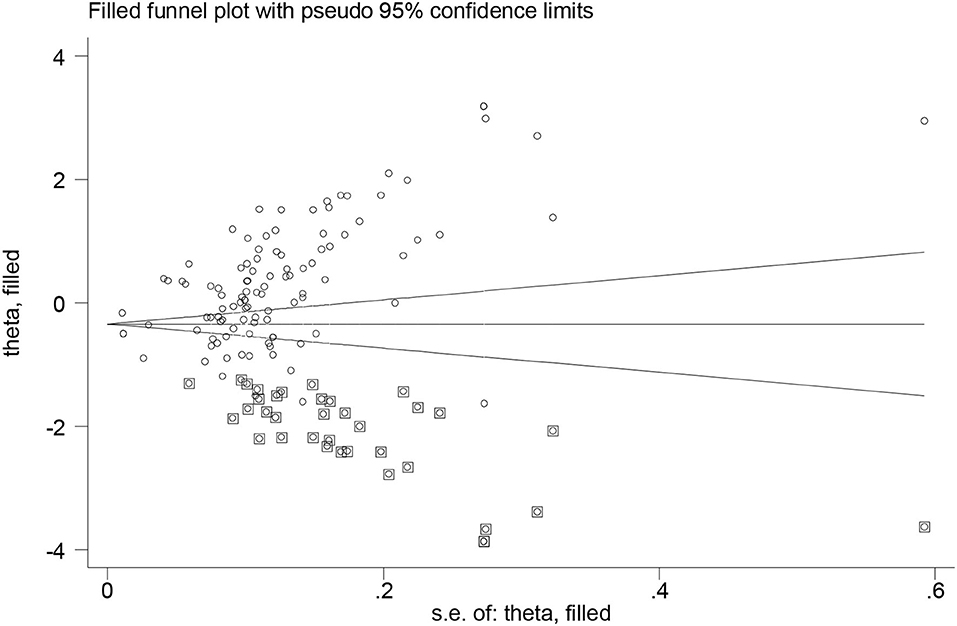
Figure 5. Funnel plot for publication bias with trim and fill technique.
Sensitivity evaluation
Sensitivity evaluation urged that there have been no modifications within the imply prevalence after the elimination of particular person research (Supplementary Figure 3).
Discussion
The current systematic overview and meta-analysis evaluated the prevalence of FI in Iran inspecting 106 articles and theses amongst 152,300 individuals from 2010 to 2021 with the consideration of gender, geographical areas, age teams, location, and sort of questionnaires. According to the United Nations International Children’s Emergency Fund (UNICEF), about 375.8 million folks in Asian nations together with Iran and the Pacific confronted starvation in 2020, which elevated by practically 54 million folks in comparison with 2019. Moreover, greater than 1.1 billion folks didn’t have entry to enough meals in 2020 (129). Based on the current meta-analysis, the full prevalence of FI in Iran was 55.9% (95% CI: 52.6–59.2%), which is taken into account excessive. A earlier meta-analysis evaluating FI in Iran additionally revealed a excessive prevalence of FI amongst completely different age classes (6, 11, 12). Differences in inclusion and exclusion standards may very well be thought of a possible cause for the contrasting findings. Additionally, this current research evaluated a better quantity of research over a number of databases utilizing a complete search technique.
In this research, subgroup analyses had been carried out based mostly on recognized elements to guage FI prevalence comprehensively. Subgroup analyses revealed that FI prevalence was considerably increased in Iranian girls in comparison with males (51.3 vs. 47.8%, p < 0.000). In line with our findings, Diab-El-Harake et al. discovered the next prevalence of FI in girls residing in Arab nations (130). In addition, a meta-analysis performed by Jung et al. discovered that female-headed households had been 75% (95 % CI: 49–96%) extra more likely to expertise FI in comparison with male-headed households (131). Another meta-analysis in Ethiopia additionally discovered the next FI prevalence in female-headed households (132). Furthermore, based mostly on the 2019 State of FI report, the prevalence of FI was increased amongst girls in comparison with males in each continent from 2016 to 2019 (133). Broussard (134) urged {that a} increased prevalence of FI could also be defined by variations in family earnings, social networks, and academic attainment. Furthermore, that gender variations in earnings accounted for greater than 70% of the gender hole in FI, and decrease instructional attainment accounted for five–45% of the hole. In addition, girls might categorical extra constructive feelings when they aren’t essentially experiencing favorable circumstances, suggesting that cultural elements might affect the standing of FI in girls (135).
According to Sinclair et al., rural girls had the next prevalence of FI, which is in accordance with our subgroup analyses based mostly on the area that indicated that the prevalence of FI was increased in rural areas [66.1% (95% CI: 58.8–73.4%)] in comparison with city areas [47.1% (95% CI: 58.8–73.4%)] (136). Another research performed by Sims et al. discovered that there was FI and malnutrition amongst Indian rural girls (137). In addition, Sansón-Rosas et al. discovered excessive charges of FI in Colombian rural households (138). It is accepted that poverty is considerably linked to FI (139) and it’s usually thought of the most typical determinant of FI throughout the globe (139). Economic constraints might clarify the next prevalence of FI in rural areas (140). Many people who find themselves from low-income households and are weak to FI reside in rural areas and rely on agricultural actions to provide meals; and in case of restricted entry to agricultural amenities and lands, they’ll face insufficient meals availability (141).
In the current research, the best prevalence of FI was amongst adults (56.5% [95% CI: 51.7–61.2%]) in comparison with completely different age teams. Sinclair et al. additionally discovered the next prevalence of FI amongst folks between the ages of 25–49 throughout the globe (136). A attainable clarification for these findings could also be that adults are sometimes the pinnacle of the family and within the case of insufficient entry to meals, they might prioritize different members of the family. It additionally ought to be thought of that fewer research have been performed amongst adolescents and older adults in comparison with these performed on the grownup inhabitants in Iran.
Subgroup analyses had been additionally performed based mostly on the kind of questionnaire used to guage FI. Despite the truth that the questionnaires utilized in all the research had been validated, there was proof of a statistically important distinction between subgroups (p-value for heterogeneity: 0.003). However, the outcomes for the prevalence of FI from the USDA 18-item (54.8% [95% CI: 49.0–60.6%]) and HFIAS (58.4% [95% CI: 49.8–67.1%]) had been comparatively related, which had been the questionnaires utilized in a lot of the research. Other questionnaires had been solely utilized in a small variety of included research, which can clarify the numerous variations that had been discovered on this research within the subgroup evaluation for the kind of questionnaire. Finally, the subgroup evaluation for the outcomes of the standard evaluation didn’t reveal any proof of a big distinction between high-quality and low-quality research.
Strengths and limitation
To one of the best of our data, the present meta-analysis included the best variety of research to guage the prevalence of FI in Iran. The earlier meta-analysis performed by Behzadifar et al. (129) included 31 research till 2015; subsequently, the prevalence estimates reported within the current research signify the present findings. In addition, we carried out subgroup analyses based mostly on beforehand recognized elements which will affect FI and located important associations between the named elements and the prevalence of FI, which offered a powerful complete overview of the relationships. However, this research had limitations price contemplating when evaluating the findings. There was proof of excessive heterogeneity between included research. Furthermore, we didn’t assess the completely different ranges of FI which will exist among the many individuals. Future research and critiques might take into account evaluating various ranges of FI as it could present extra details about FI standing.
Conclusion
The findings of this systematic overview and meta-analysis revealed that the prevalence of FI is excessive in Iran. The prevalence was increased amongst girls, adults (aged), in rural areas and the western a part of the nation. It is a crucial discovering that the prevalence of FI in Iran is influenced by age, gender, socioeconomic standing, and habitation.
Data availability assertion
Author contributions
Funding
This research was supported by the Tehran University of Medical Sciences (Grant Number: IR.TUMS.MEDICINE.REC.1400.1423).
Conflict of curiosity
Publisher’s observe
Supplementary materials
The Supplementary Material for this text could be discovered on-line at: https://www.frontiersin.org/articles/10.3389/fnut.2022.1006543/full#supplementary-material
References
3. Gross R, Schoeneberger H, Pfeifer H, Preuss H-J. The 4 dimensions of meals and vitamin safety: definitions and ideas. Scn information. (2000) 20:20–5.
Google Scholar
4. Niles MT, Beavers AW, Clay LA, Dougan MM, Pignotti GA, Rogus S, et al. A multi-site evaluation of the prevalence of meals insecurity within the United States, earlier than and through the COVID-19 Pandemic. Curr Dev Nutr. (2021) 5:nzab135. doi: 10.1093/cdn/nzab135
PubMed Abstract | CrossRef Full Text | Google Scholar
5. Amiresmaeili M, Yazdi-Feyzabadi V, Heidarijamebozorgi M. Prevalence of meals insecurity and associated elements amongst slum households in Kerman, south of Iran. Int J Health Plann Manage. (2021) 36:1589–99. doi: 10.1002/hpm.3242
PubMed Abstract | CrossRef Full Text | Google Scholar
6. Mohammadi Nasrabadi F, Omidvar N, Khoshfetrat M, Kolahdooz F. Household meals insecurity within the Islamic Republic of Iran: a scientific overview and meta-analysis. EMHJ. (2014) 20:698–706. doi: 10.26719/2014.20.11.698
PubMed Abstract | CrossRef Full Text | Google Scholar
8. Nord M. Household Food Security within the United States 2009. Collingdale,PA: DIANE publishing (2010).
Google Scholar
9. Szabo S. Urbanisation and meals insecurity dangers: assessing the function of human improvement. Oxf Dev Stud. (2016) 44:28–48. doi: 10.1080/13600818.2015.1067292
CrossRef Full Text | Google Scholar
10. Gebremichael B, Beletew B, Bimerew M, Haile D, Biadgilign S, Baye Ok. Magnitude of city family meals insecurity in East Africa: a scientific overview and meta-analysis. Public Health Nutr. (2021) 1–27. doi: 10.1017/S1368980021003529
PubMed Abstract | CrossRef Full Text | Google Scholar
11. Behzadifar M, Behzadifar M, Abdi S, Arab Salmani M, Ghoreishinia G, Falahi E, et al. Prevalence of meals insecurity in iran: a scientific overview and meta-analysis. Prev Food Insecur Iran. (2016) 19:288–94. doi: 10.15171/mejdd.2016.31
PubMed Abstract | CrossRef Full Text | Google Scholar
12. Daneshi-Maskooni M, Sakineh S-B, Badri-Fariman M, Erfan A, Mohammadi Y, Jafarnejad S, et al. Questionnaire-based prevalence of meals insecurity in Iran: a overview article. Iran J Public Health. (2017) 46:1454.
PubMed Abstract | Google Scholar
13. Saaka M, Osman SM. Does family meals insecurity have an effect on the dietary standing of preschool youngsters aged 6-36 months? Int J Popul Res. (2013) 2013. doi: 10.1155/2013/304169
CrossRef Full Text | Google Scholar
14. COMMON IAMO. The Debilitating Cycle of HIV, Food Insecurity, and Malnutrition. Burlington Junction, MO: IAMO (2012).
Google Scholar
17. Pourmotabbed A, Moradi S, Babaei A, Ghavami A, Mohammadi H, Jalili C, et al. Food insecurity and psychological well being: a scientific overview and meta-analysis. Public Health Nutr. (2020) 23:1778–90. doi: 10.1017/S136898001900435X
PubMed Abstract | CrossRef Full Text | Google Scholar
18. Page MJ, McKenzie JE, Bossuyt PM, Boutron I, Hoffmann TC, Mulrow CD, et al. The PRISMA 2020 assertion: an up to date guideline for reporting systematic critiques. Int J Surg. (2021) 88:105906. doi: 10.1016/j.ijsu.2021.105906
PubMed Abstract | CrossRef Full Text | Google Scholar
19. Peters M, Godfrey C, McInerney P, Soares C, Khalil H, Parker D. The Joanna Briggs Institute Reviewers’ Manual 2015: Methodology for JBI Scoping Reviews (2015).
Google Scholar
20. Borenstein M, Hedges LV, Higgins JP, Rothstein HR. A fundamental introduction to fixed-effect and random-effects fashions for meta-analysis. Res Synth Methods. (2010) 1:97–111. doi: 10.1002/jrsm.12
PubMed Abstract | CrossRef Full Text | Google Scholar
23. Page MJ, McKenzie JE, Bossuyt PM, Boutron I, Hoffmann TC, Mulrow CD, et al. The PRISMA 2020 assertion: an up to date guideline for reporting systematic critiques. BMJ. (2021) 372:n71. doi: 10.1136/bmj.n71
PubMed Abstract | CrossRef Full Text | Google Scholar
24. Mohammadzadeh A, Dorosty A, Eshraghian M. Household meals safety standing and related elements amongst high-school college students in Esfahan, Iran. Public Health Nutr. (2010) 13:1609–13. doi: 10.1017/S1368980010000467
PubMed Abstract | CrossRef Full Text | Google Scholar
25. Asgharian Dastnaei A, Karami E, Keshavarz M. Determinants of Rural Households’ Food Security. Agric Econ. (2013) 7:85–107.
PubMed Abstract | Google Scholar
26. Afshar A, Pourghaderi M, Hakim S, Safari A, Barati H. Rapid evaluation of meals insecurity within the city households in Karaj. J Inflamm Dis. (2018) 22:74–82. doi: 10.29252/qums.22.2.74
CrossRef Full Text | Google Scholar
27. Jozi A, Safa L, Salali Moghadam N. A research on the consequences of dietary consciousness and perspective on rural households’ meals safety stage (The Case of Zanjan County). Iran J Agric Econ Dev Res. (2020) 51:715–30.
Google Scholar
28. Narmaki E, Shirasb F, Qorbani M, Sotoudeh gassociation between meals safety and anthropometric measurements physique composition blood blood strain in girls attending municipality sports activities golf equipment in west of Tehran. Iran J Diabet Lipid Disord. (2017) 16:103–10.
Google Scholar
29. Motlagh ARD, Azadbakht L, Kaboli NE. Food insecurity in overweight adolescent females in tehran faculties: an examination of anthropometric and socio-economic elements. Curr Res Nutr Food Sci J. (2019) 7:280–6. doi: 10.12944/CRNFSJ.7.1.28
CrossRef Full Text | Google Scholar
31. Rezazadeh A, Omidvar N, Eini-Zinab H, Ghazi-Tabatabaie M, Majdzadeh R, Ghavamzadeh S, et al. Food insecurity, socio-economic elements and weight standing in two Iranian ethnic teams. Ethn Health. (2016) 21:233–50. doi: 10.1080/13557858.2015.1061102
PubMed Abstract | CrossRef Full Text | Google Scholar
32. Ahmadihoseini A, Omidvar N, Nematy M, Safarian M, Salehi M. The relationship between meals insecurity and anthropometric measures at start in low earnings households. Iran J Pediatr. (2019) 29. doi: 10.5812/ijp.88410
CrossRef Full Text | Google Scholar
33. Khosravipour B, Dorani M, Mehrab Ghoochani O. Investigating the Household’s Food Insecurity of the Bawi Township. J Rural Dev Strategies. (2017) 4:231–46.
Google Scholar
34. Alipour B, Abbasalizad Farhangi M, Asghari S, Amirkhizi F, Dahri M, Abedimanesh N, et al. Child-specific meals insecurity and its sociodemographic and dietary determinants amongst Iranian schoolchildren. Ecol Food Nutr. (2016) 55:231–40. doi: 10.1080/03670244.2015.1129324
PubMed Abstract | CrossRef Full Text | Google Scholar
35. Daneshzad E, Dorosty-Motlagh A, Bellissimo N, Suitor Ok, Azadbakht L. Food insecurity, dietary acid load, dietary power density and anthropometric indices amongst Iranian youngsters. Eating Weight Disord Stud Anorexia Bulimia Obes. (2021) 26:839–46. doi: 10.1007/s40519-020-00921-8
PubMed Abstract | CrossRef Full Text | Google Scholar
36. Parvin S, Salehi S, Joshan M, Akbar Tabar Tori M, Malekzadeh J, Pirooz R, et al. The state of affairs of meals safety and associated elements in feminine academics of Yasuj Education School Board. Armaghane danesh. (2020) 25:515–28. doi: 10.52547/armaghanj.25.4.515
CrossRef Full Text | Google Scholar
37. Tabrizi JS, Nikniaz L, Sadeghi-Bazargani H, Farahbakhsh M, Nikniaz Z. Socio-demographic determinants of family meals insecurity amongst Iranian: a population-based research from northwest of Iran. Iran J Public Health. (2018) 47:893.
PubMed Abstract | Google Scholar
38. Rezaei H, Shirani Beid Abadi F. rezaee a, Joolaie R, abedi sarvestani a. Assessing the connection between meals insecurity and agricultural sustainability (case research: rural areas of Gorgan County). Agric Econ. (2021) 15:135–62.
Google Scholar
39. Saadi H, Azizi M, Azami M. Extension schooling and meals safety of farmer households (Case research: Qorveh county, Kurdistan Province). Iran J Agric Econ Dev Res. (2014) 45:483–99.
Google Scholar
40. Saadi H, Moaddab HV. Assessment of female-headed family’s meals safety and the affecting elements; case research: girls in Razan City. Women Dev Pol. (2014) 11:411–26. doi: 10.22059/jwdp.2013.36536
CrossRef Full Text | Google Scholar
41. Gholizadeh H, Rostamian Motlagh Z, Badsar M, Shams A. Culture and vitamin data, and their relationship with meals insecurity amongst rural households in Kermanshah County, Iran. J Rural Res. (2017) 8:54–67. doi: 10.21859/jjr-08014
CrossRef Full Text | Google Scholar
42. Farzaneh H, Gargari BP, Jafarabadi MA, Farzaneh A, Arzhang P. Household meals insecurity and its associated socioeconomic and dietary elements amongst northwest Iranian high-school college students. Rawal Med J. (2017) 42:239–45.
Google Scholar
43. Fami HS, Aramyan LH, Sijtsema SJ, Alambaigi A. The relationship between family meals waste and meals safety in Tehran metropolis: the function of city girls in family administration. Indus Market Manage. (2021) 97:71–83. doi: 10.1016/j.indmarman.2021.06.016
CrossRef Full Text | Google Scholar
44. Jamini D. Food safety and its implications on rural areas. Geogr Plann Space. (2017) 7:113–30.
Google Scholar
45. Jamini D, Amini A, Ghadermarzi H, Tavakoli J. Measurement of meals safety and investigation of its challenges in rural areas (case research: Badr District From Ravansar County). J Reg Plann. (2017) 7.
Google Scholar
46. Sharafkhani R, Dastgiri S, Gharaaghaji R, Ghavamzadeh S, Didarloo A. The function of family construction on the prevalence of meals insecurity. Eur J Gen Med. (2010) 7:385–8. doi: 10.29333/ejgm/82890
CrossRef Full Text | Google Scholar
47. Basirat R, Salehi Abargouei A, Esmaillzadeh A. The affiliation between family meals insecurity and childhood weight problems amongst Iranian school-aged youngsters in Farokhshahr. Koomesh J. (2012) 13:254–63.
Google Scholar
48. Rafat R, Rezazadeh A, Arzhang P, Alipourr A. The affiliation of meals insecurity with sociodemographic elements and despair within the aged inhabitants of Qarchak metropolis–Iran. Nutr Food Sci. (2020). doi: 10.1108/NFS-06-2019-0191
CrossRef Full Text | Google Scholar
49. Dastgiri S, Mahboob S, Tutunchi H, Ostadrahimi A. Determinants of Food Insecurity: A Cross– Sectional Study in Tabriz. J Ardabil Univ Med Sci. (2006) 6:233–9.
Google Scholar
51. Mahmoudi S, Khoramivafa M, Hadidi M, Ahmadi M, Jalali A. Food Security Status amongst Rural Households in Sarpolzahab and its Association with Socio-Economic and Agricultural Factors. J Res Rural Plann. (2020) 9:35–47.
Google Scholar
52. Khodabakhshzadeh S, Moradabadi SA, Khodabakhshzadeh S, Baniasadi M, Khalilabad TH. Food safety and its associated elements within the rural households of Bam metropolis in Iran: a logistic regression mannequin method. Arch Iran Med. (2018) 21:26–8.
PubMed Abstract | Google Scholar
53. Tezerji S, Nazari Robati F. Status of meals safety in Kerman, Iran During the COVID-19 pandemic. J Arak Univ Med Sci. (2020) 23:774–85. doi: 10.32598/JAMS.23.COV.6254.2
CrossRef Full Text | Google Scholar
55. Sara Hakim A. Mohammad Reza E. Prevalence of meals insecurity and its correlates well being monitor. J Iran Inst Health Sci Res. (2012) 11:791–7.
Google Scholar
56. Ziaei SM, Shirani Bidabadi F, Eshraghi F, Keramatzadeh A. Identification of coping methods on meals insecurity and its efficient elements in rural areas of Gorgan. Agric Econ Dev. (2019) 26:47–69.
Google Scholar
57. Tabibian S, Daneshzad E, Bellissimo N, Brett NR, Dorosty-Motlagh AR, Azadbakht L. Association between adherence to the dietary approaches to cease hypertension weight-reduction plan with meals safety and weight standing in grownup girls. Nutr Diet. (2018) 75:481–7. doi: 10.1111/1747-0080.12440
PubMed Abstract | CrossRef Full Text | Google Scholar
58. Hamedi-Shahraki S, Mir F, Amirkhizi F. Food insecurity and cardiovascular threat elements amongst Iranian Women. Ecol Food Nutr. (2021) 60:163–81. doi: 10.1080/03670244.2020.1812596
PubMed Abstract | CrossRef Full Text | Google Scholar
59. Shahraki SH, Amirkhizi F, Amirkhizi B, Hamedi S. Household meals insecurity is related to dietary standing amongst Iranian youngsters. Ecol Food Nutr. (2016) 55:473–90. doi: 10.1080/03670244.2016.1212710
PubMed Abstract | CrossRef Full Text | Google Scholar
60. Ramesh T, Dorosty Motlagh A, Abdollahi M. Prevalence of family meals insecurity within the City of Shiraz and its affiliation with socio-economic and demographic elements, 2008. Iran J Nutr Sci Food Technol. (2010) 4:53–64.
Google Scholar
62. Gholami A, Jahromi LM, Shams-Beyranvand M, Khazaee-Pool M, Naderimagham S, Mehrizi AA, et al. Household meals insecurity and health-related high quality of life in an city grownup inhabitants in Iran. Curr Nutr Food Sci. (2020) 16:381–90. doi: 10.2174/1573401315666191114142121
CrossRef Full Text | Google Scholar
63. Taheri F, Shafi EH, Dorosty AR. Assessment of meals insecurity prevalence and related elements in village of Qehi, Isfahan in 2016. Res Bull Med Sci. (2016) 21:138–45.
Google Scholar
64. Madvari FF, Yeganeh HS, Siasi F, Sotoudeh G, Hosseini SM, Rad SVM. Food safety and elements associated to it in households beneath protection of city well being facilities and well being homes in Mehriz, Iran. Sci J School Public Health Inst Public Health Res. (2015) 12:79–93.
Google Scholar
65. Kian F, Farhadian H, Chobchian S. Food insecurity assess of city family of Alborz province. Food Sci Technol. (2016) 13:167–79.
Google Scholar
66. Kian F, Farhadian H, Choobchian S. Do Iranian households profit from meals in line with their well being traits? A case research from Alborz Province, Iran. J Public Health. (2021) 1–7. doi: 10.1007/s10389-021-01631-w
CrossRef Full Text | Google Scholar
67. Esfarjani F, Hosseini H, Khaksar R, Roustaee R, Alikhanian H, Khalafi M, et al. Home meals security observe and family meals insecurity: a structural equation modeling method. Iran J Public Health. (2019) 48:1870. doi: 10.18502/ijph.v48i10.3495
PubMed Abstract | CrossRef Full Text | Google Scholar
68. Jafari F, Ehsani S, Nadjarzadeh A, Esmaillzadeh A, Noori-Shadkam M, Salehi-Abargouei A. Household meals insecurity is related to belly however not normal weight problems amongst Iranian youngsters. BMC Public Health. (2017) 17:1–8. doi: 10.1186/s12889-017-4262-3
PubMed Abstract | CrossRef Full Text | Google Scholar
70. Mohammadi F, Omidvar N, Harrison GG, Ghazi-Tabatabaei M, Abdollahi M, Houshiar-Rad A, et al. Is family meals insecurity related to obese/weight problems in girls? Iran J Public Health. (2013) 42:380.
PubMed Abstract | Google Scholar
71. Pourebrahim F, Omidvar N, Rezazadeh A, Eini-Zinab H, Shirani P. Food safety and its affiliation with socioeconomic standing and weight-reduction plan variety in free residing aged in Tehran, Iran. 2020. doi: 10.21203/rs.3.rs-28947/v1
CrossRef Full Text | Google Scholar
72. Rostami F, Shahmoradi M, Baghaei S. Factors affecting on rural households meals safety (Case research: Karnachy Village in Kermanshah County). Iran J Agric Econ Dev Res. (2014) 45:725–37.
Google Scholar
73. Fallah Tafti L, Mozafari Khosravi H, Najarzadeh A, Falahzadeh H. Food safety standing of elders and its associated elements in Arak in 2012. Tolooebehdasht. (2016) 14:64–78.
Google Scholar
74. Safa L, Jozi A. Investigating the villagers’ meals safety state of affairs and figuring out its relationship with their demographic traits (the case of Zanjan County). Iran Agric Exten Educ J. (2021) 17:185–94.
Google Scholar
75. Nikniaz L, Tabrizi JS, Sadeghi-Bazargani H, Farahbakhsh M, Nikniaz Z. Food insecurity will increase the chances of weight problems amongst Iranian girls: a population-based research of northwestern Iran. Nutr Diet. (2017) 74:454–9. doi: 10.1111/1747-0080.12356
PubMed Abstract | CrossRef Full Text | Google Scholar
76. Nikniaz L, Tabrizi JS, Sadeghi-Bazargani H, Farahbakhsh M, Nikniaz Z. Is Food Insecurity Associated With Lipid Profile and Atherogenic Indices in Iranian Adults? A population-based research. Topics Clin Nutr. (2018) 33:23–30. doi: 10.1097/TIN.0000000000000124
CrossRef Full Text | Google Scholar
77. Hasan-Ghomi M, Mirmiran P, Amiri Z, Asghari G, Sadeghian S, Sarbazi N, et al. The affiliation of meals safety and dietary selection in topics aged over 40 in district 13 of Tehran. Iran J Endocrinol Metab. (2012) 14:360–7.
Google Scholar
78. Najafianzadeh M, Mobarak-Abadi A, Ranjbaran M, Nakhaei M. Relationship between the prevalence of meals insecurity and a few socioeconomic and demographic elements within the rural households of Arak, 2014. Iran J Nutr Sci Food Technol. (2015) 9:35–44.
Google Scholar
79. Safarpour M, Dorosty Motlagh A, Hosseini SM, Ranjbar Noshari F, Safarpour M, Daneshi Maskooni M, et al. Prevalence and outcomes of meals insecurity and its relationship with some socioeconomic elements. Knowl Health. (2014) 8.
Google Scholar
80. Esmailnejad M, Akbarpour M, Mikaniki J, Falsoleiman M. Assessing the implications of local weather change on meals safety and rural livelihoods case research: rural farmers in Migan Nehbandan. Geography. (2018) 16:5–18.
Google Scholar
81. Keshavarz M. Investigating meals safety and meals waste management of farm households beneath drought (A case of Kherameh County). Space Econ Rural Dev. (2021) 9:83–106.
Google Scholar
82. Akbarpoor M, Mahdavi Damghani A, Deihimfard R, Veisi H. Assessment of the meals safety standing in Marvdasht County. J Agroecol ( ) (2016) 6.
Google Scholar
83. Mohammadi M, Eshraghian M, Dorosti A, Asadi Lari M, Mansournia M, Ahsani-Nasab S. Identification of the determinaints of meals insecurity in tehran utilizing a multilevel mannequin. Iran J Nutr Sci Food Technol. (2016) 10:13–20.
Google Scholar
84. Shakiba M, Salari A, Mahdavi-Roshan M. Food insecurity standing and related elements amongst rural households within the north of Iran. Nutr Health. (2021) 27:301–7. doi: 10.1177/0260106021996840
PubMed Abstract | CrossRef Full Text | Google Scholar
85. Farhangi MA, Alipour B, Rezazadeh Ok, Ghaffary A, Eidi F, SaberGharamaleki A, et al. Food insecurity and its associated socioeconomic and dietary elements: proof from a pattern of inhabitants within the northwest of Iran. Qual Assur Safety Crops Foods. (2015) 7:109–13. doi: 10.3920/QAS2013.0317
CrossRef Full Text | Google Scholar
86. Sheikhi M, Omidvar N, Tabatabaei SM, Eini-Zinab H. Is dietary useful variety within the rural meals and vitamin system related to meals safety and nutrient adequacy? A Case Study of Rural Areas of Zahedan City, Iran. BMC Public Health. (2021) 22:751. doi: 10.21203/rs.3.rs-525134/v1
PubMed Abstract | CrossRef Full Text | Google Scholar
88. Savari M, Shabanali Fami H, Daneshvar Ameri Z. Analysis state of affairs meals safety and elements affecting thereon within the rural society metropolis of Divandarreh. J Rural Res. (2014) 5:311–32. doi: 10.22059/JRUR.2014.52473
CrossRef Full Text | Google Scholar
89. Aazami M, Hashemiamin N, Soroushmehr H. A survey on meals insecurity of rural households and elements affecting it in Khuzestan Province of Iran: a case research of Bostan Sub-district. Village Dev. (2018) 20.
Google Scholar
90. Payab M, DorostyMotlagh A, Eshraghian M, Rostami R, Siassi F, Ahmadi M. The relationship between family meals insecurity standing and despair in moms with college youngsters residing in Ray in 2010. Iran J Epidemiol. (2012) 8:37–44.
Google Scholar
91. Bagheri M, Hadad H, Shirvanian AR. Study of relationship between meals safety and earnings poverty in rural areas of Guilan Province in Iran: a case research of Amlash County. Village Dev. (2020) 22. doi: 10.30490/RVT.2020.293733.1076
CrossRef Full Text | Google Scholar
92. Cheraghi M, Kazemi N. Food safety and associated financial elements in rural aged girls. Koomesh. (2018) 20:203–9.
Google Scholar
93. Mehdi Cheraghi BM-Y, Zahra E-S. Analysis of geographical elements affecting meals safety of rural households(Case research: Zanjan township) (JGET) Geographical Engineering of Territory (2018).
Google Scholar
94. Charaghi M, Mohammadi Yeganeh B, Musavi Zare SS. The function of non-farm actions on the meals safety of rural households case research: Fazl Rural district, Nishabour metropolis. J Rural Dev Strat. (2018) 5:51–66. doi: 10.22048/rdsj.2018.53551.1541
CrossRef Full Text | Google Scholar
95. Sotoudeh M, Amaniyan S, Jonoush M, Vaismoradi M. A community-based survey of family meals insecurity and related sociodemographic elements amongst 2–6 years previous youngsters within the Southeast of Iran. Nutrients. (2021) 13:574. doi: 10.3390/nu13020574
PubMed Abstract | CrossRef Full Text | Google Scholar
96. Eghrari M, Sharifian Sani M, Mohaqeqi Kamal SH, Ghaedamini Harouni G, Zanjari N, Ahmadi S. Food insecurity amongst aged in Tehran: prevalence, threat and protecting elements. J Mazandaran Univ Med Sci. (2020) 30:107–16.
Google Scholar
97. Minaie M, Movahedi A, Motlagh AD, Abdollahi Z, Djazayery A. Association of socioeconomic standing and meals safety with anthropometric indices amongst 2–5-year-old city youngsters in eight completely different cities in Iran. Int J Prev Med. (2019) 10. doi: 10.4103/ijpvm.IJPVM_143_18
PubMed Abstract | CrossRef Full Text | Google Scholar
98. Asadi-Lari M, Jahromi LM, Montazeri A, Rezaee N, Mehrizi AAH, Shams-Beyranvand M, et al. Socio-economic threat elements of family meals insecurity and their inhabitants attributable threat: a population-based research. Med J Islam Repub Iran. (2019) 33:119. doi: 10.47176/mjiri.33.119
PubMed Abstract | CrossRef Full Text | Google Scholar
99. Salarkia N, Omidvar N, Zaeri F, Zeinab HE, Neyestani TR. Mother’s self-efficacy mediates the connection between family meals insecurity and maternal toddler feeding types. Matern Child Health J. (2016) 20:602–12. doi: 10.1007/s10995-015-1859-y
PubMed Abstract | CrossRef Full Text | Google Scholar
100. Omidvar N, Ahmadi D, Sinclair Ok, Melgar-Quiñonez H. Food safety in chosen Middle East and North Africa (MENA) nations: an inter-country comparability. Food Security. (2019) 11:531–40. doi: 10.1007/s12571-019-00935-w
CrossRef Full Text | Google Scholar
101. Abedi P, Abbaspor Z, Montazeri S, Vakili M, Haghigheizadeh M. Food insecurity prevalence and its associated elements in households in Ahvaz, Iran. Malaysian J Nutr. (2013) 19.
Google Scholar
102. Safarpour P, Motlagh ARD, Sadeghi H. Relationship Between Food Insecurity and Depression in Elementary School Students’ Mothers (2018).
Google Scholar
103. Arzhang P, Gargari BP, Sarbakhsh P, Farzaneh H. Household meals insecurity and related elements amongst rural and concrete highschool college students in Kurdish inhabitants of Iran. Progr Nutr. (2019) 21:56–64.
Google Scholar
106. Mortazavi Z, Dorosty AR, Eshraghian MR, Ghaffari M, Ansari-Moghaddam A. Household meals insecurity and its affiliation with self-reported infectious and parasitic ailments amongst family moms in Southeast of Iran. Health Scope. (2017) 6. doi: 10.5812/jhealthscope.15125
CrossRef Full Text | Google Scholar
107. Dassie GA, Motlagh AD, Chamari M, Mohammadreza E. Prevalence of meals insecurity and its affiliation with muscle mass, hand grip energy and gait velocity amongst aged in tehran. Int J Pharm Sci Res. (2016) 7:2889. doi: 10.13040/IJPSR.09758232.7(7).2889-95
CrossRef Full Text | Google Scholar
108. Abdar-Esfehani B. The relationship between family meals safety and meals consumption high quality, dietary adequacy and meals variety of ultimate 12 months highschool college students in Tehran within the educational 12 months 2017 (Master thesis) (2017).
Google Scholar
109. Razzazi A. Determining the connection between menopausal age and safety and dietary sample in girls in Qazvin in 2014 (Master thesis).
Google Scholar
110. Kazemi B. Relationship Between Physical Fitness and Body Composition with Food Security Among Male Students of Khalkhal City in Different Weight Categories (2018).
Google Scholar
111. Darini M. Investigating the Factors Affecting Food Security Using Food Diversity Indicators and Coping Strategies (Case Study: Jabalbarz Region) (Master thesis) (2014).
Google Scholar
112. Sharaki ZE. Analysis of the Role of Food Security within the Sustainable Development of Rural Areas; Case Study: Taqanak Village (Masters thesis) (2015).
Google Scholar
113. Siasar H. Assessing the Food Security Situation of Urban and Rural Families in Zabol (Master thesis) (2017).
Google Scholar
114. Nadimi B. Analysis of Effective Factors on the Selection of Strategies to Combat Food Insecurity Rural Households, A Case Study: Awalan village (Kamyaran City) (2017).
Google Scholar
115. Rahimi-Moghadam S, Mahdavi-Damghani A, Akbarpoor M, Sajjadian M, N R-S. Investigating the meals safety state of affairs of Poldakhtar metropolis. Ecol Agric (2015).
PubMed Abstract | Google Scholar
116. Abbasi F, Kavoosi M. “Investigating the meals safety state of affairs within the plain villages of japanese Guilan province (Case research: Machian village, Rudsar metropolis),” in Fifth National Conference on Applied Research in Management and Accounting (2019).
Google Scholar
117. Esapare Ok. Assessing the Food Insecurity of Households in Rural Areas Dezful City, Khouzestan (2016).
Google Scholar
118. Forootan L. Investigating The Food Security Situation and the Factors Affecting it in Rural Households Baladarband, Razi.
Google Scholar
119. Pakravan-Charvadeh M, Hoseini S, Noori-Naeeni S. Identifying socio-economic elements associated to meals safety of households in city and rural areas of Khuzestan province. J Clean Prod. (2021) 25:113–36.
Google Scholar
121. Hashemitabar M, Akbari A, Dorini M. Analysis of Factors Affecting Food Security in Rural Areas within the South of Kerman Province (2018).
Google Scholar
122. Bayanani N. Assessing the Food Security Situation on the Household Level within the Villages of Bahar City and the Factors Affecting It (2020).
Google Scholar
123. Parsay F. Food and Nutrition Status in East Azarbaijan Province (Case Study of Tabriz) (2018).
Google Scholar
124. Shabanali-Fami H, Moradi M, Asadi A. The impact of agricultural water consumption administration on meals safety of farmers’ households within the household exploitation system: A case research of Kermanshah metropolis. Islamic Azad Univ Sci Res Branch J. (2020) 12:51–64.
Google Scholar
126. Jamini D, Amini A, Ghadermarzi H, Tavakkoli J. Measuring meals safety and its determinants in rural areas: a case research of the farmers within the Central District of Ravansar, Kermanshah. J Geogr Reg Dev. (2017) 14:225–46. doi: 10.22067/GEOGRAPHY.V14I2.63833
CrossRef Full Text | Google Scholar
127. Ahmadi Dehrashid A, Bijani M, Valizadeh N, Ahmadi Dehrashid H, Nasrollahizadeh B, Mohammadi A. Food safety evaluation in rural areas: proof from Iran. Agric Food Secur. (2021) 10:1–18. doi: 10.1186/s40066-021-00291-z
CrossRef Full Text | Google Scholar
128. Abbasi N, Ghoochani O, Ghanian M, Kitterlin M. Assessment of Households’ Food Insecurity by way of use of a USDA Questionnaire. Adv Plants Agric Res. (2016) 4:1–8. doi: 10.15406/apar.2016.04.00155
CrossRef Full Text | Google Scholar
129. UNICEF. The State of Food Security and Nutr within the World 2021. New York City, New York: UNICEF (2021).
Google Scholar
130. Marwa Diab-El-Harake, Samer Kharroubi, Jumanah Zabaneh, Joma L. Gender-based differentials in meals insecurity and wellbeing in Arab nations. Global Food Secur. (2022) 32:100609. doi: 10.1016/j.gfs.2021.100609
CrossRef Full Text | Google Scholar
131. Jung NM, de Bairros FS, Pattussi MP, Pauli S, Neutzling MB. Gender variations within the prevalence of family meals insecurity: a scientific overview and meta-analysis. Public Health Nutr. (2017) 20:902–16. doi: 10.1017/S1368980016002925
PubMed Abstract | CrossRef Full Text | Google Scholar
132. Negesse A, Jara D, Habtamu T, Dessie G, Getaneh T, Mulugeta H, et al. The influence of being of the feminine gender for family head on the prevalence of meals insecurity in Ethiopia: a systematic-review and meta-analysis. Public Health Rev. (2020) 41:15. doi: 10.1186/s40985-020-00131-8
PubMed Abstract | CrossRef Full Text | Google Scholar
133. World Health Organization. The State of Food Security and Nutr within the World 2019: Safeguarding Against Economic Slowdowns and Downturns. Mount Vernon, Virginia: Food & Agriculture Org. (2019).
Google Scholar
134. Broussard NH. What explains gender variations in meals insecurity? Food Policy. (2019) 83, 180–194. doi: 10.1016/j.foodpol.2019.01.003
CrossRef Full Text | Google Scholar
135. Asfahani F, Kadiyala S, Ghattas H. Food insecurity and subjective wellbeing amongst arab youth residing in various contexts of political instability. J Adolesc Health. (2019) 64:70–8. doi: 10.1016/j.jadohealth.2018.08.010
PubMed Abstract | CrossRef Full Text | Google Scholar
136. Kate Sinclair, Davod Ahmadigheidari, Diana Dallmann, Meghan Miller, Melgar-Quiñonez H. Rural girls: Most more likely to expertise meals insecurity and poor well being in low- and middle-income nations. Global Food Secur. (2019) 23:104–15. doi: 10.1016/j.gfs.2019.04.006
CrossRef Full Text | Google Scholar
137. Sims A, van der Pligt P, John P, Kaushal J, Kaur G, McKay FH. Food insecurity and dietary consumption amongst rural indian girls: an exploratory research. Int J Environ Res Public Health. (2021) 18. doi: 10.3390/ijerph18094851
PubMed Abstract | CrossRef Full Text | Google Scholar
138. Sansón-Rosas AM, Bernal-Rivas J, Kubow S, Suarez-Molina A, Melgar-Quiñonez H. Food insecurity and the double burden of malnutrition in Colombian rural households. Public Health Nutr. (2021) 24:4417–29. doi: 10.1017/S1368980021002895
PubMed Abstract | CrossRef Full Text | Google Scholar
141. Koren O, Bagozzi BE. From world to native, meals insecurity is related to up to date armed conflicts. Food Secur. (2016) 8:999–1010. doi: 10.1007/s12571-016-0610-x
CrossRef Full Text | Google Scholar
142. Mortazavi Z, Dorosty AR, Eshraghian MR, Ghaffari M, Ansari-Moghaddam A, Mohammadi M. Household meals insecurity in Southeastern Iran: severity and associated elements. Int J Food Sci. (2017) 2017:7536024. doi: 10.1155/2017/7536024
PubMed Abstract | CrossRef Full Text | Google Scholar
143. Behzadifar M, Behzadifar M, Abdi S, Malekzadeh R, Arab Salmani M, Ghoreishinia G, et al. Prevalence of meals insecurity in Iran: a scientific overview and meta-analysis. Arch Iran Med. (2016) 19:288–94.
PubMed Abstract | Google Scholar
144. Costa NS, Santos MO, Carvalho CPO, Assunção ML, Ferreira HS. Prevalence and elements related to meals insecurity within the context of the financial disaster in Brazil. Curr Dev Nutr. (2017) 1:e000869. doi: 10.3945/cdn.117.000869
PubMed Abstract | CrossRef Full Text | Google Scholar